Lately, there's been a real uptick in the demand for advanced navigation systems. You know, with autonomous vehicles, aerospace projects, and marine tech all booming, it’s no surprise. One tech that's really leading the charge is the Fiber Optic Gyro Compass—it's known for being super accurate and reliable, which is a big deal. I came across a report from MarketsandMarkets that says the global market for fiber optic gyroscopes is expected to seriously grow, hitting around USD 1.37 billion by 2025, with a CAGR of about 7.2%.
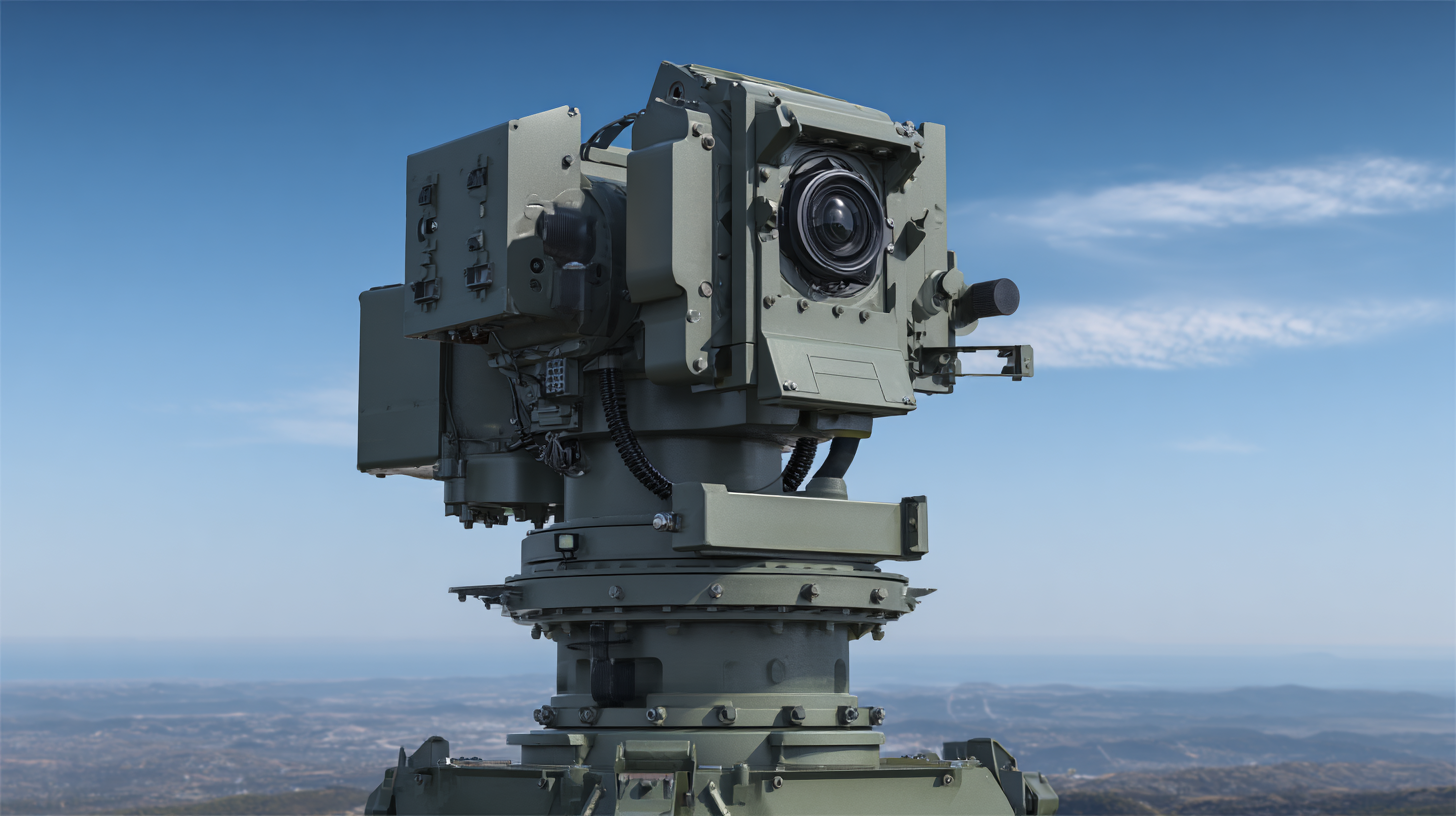
Now, Poseidon International Group based out of Hong Kong has been a major player in this space since 2013. They focus on researching, designing, and making fiber optic gyroscopes and inertial navigation systems. They've got multiple patents under their belt and are really pushing the envelope with new tech to meet our modern navigation needs. In this little guide, I want to dig into how Fiber Optic Gyro Compass technology works and why it’s such a key component in today’s navigation world.
Understanding the Basics of Fiber Optic Gyro Compass Technology
Fiber optic gyro compass tech is actually a pretty big step forward when it comes to how we navigate and figure out our position. It uses the cool properties of light to get really accurate readings. Basically, at its heart, a fiber optic gyro works based on what's called the Sagnac effect – which is just a fancy way of saying that light travels through a loop of optical fiber in two directions. When the system rotates, it causes a tiny difference in the time it takes for those light beams to go around, and scientists can measure that difference to figure out how fast it’s turning. This level of accuracy and dependability makes fiber optic gyros perfect for really precise stuff—think aerospace, ships, or military gear.
What’s also pretty awesome is that these gyros aren’t bothered by stuff that trips up regular mechanical gyros—like temperature swings or magnetic interference. They’re built solid, so they keep working well even in tough environments. Plus, they’re small and lightweight, meaning you can fit them into all kinds of systems, big or small. As more industries start to jazz up their tech with this kind of gyro, it’s really important to get a good handle on how it works so you can make the most out of it—whether for self-driving cars, advanced robots, or other high-tech gadgets.
Key Components and Functionality of Fiber Optic Gyro Systems
 Fiber optic gyroscope systems are pretty game-changing when it comes to navigation tech. They use the magic of fiber optics to get way more accurate and dependable results. At the heart of these systems is the fiber optic gyroscope, or FOG for short, which works by leveraging this cool thing called the Sagnac effect to figure out how things are rotating. Unlike those old-school mechanical gyroscopes, FOGs have a loop of optical fiber—think of it like a tiny racetrack for light—allowing a beam to travel in both directions. When the beams meet again, they create an interference pattern that helps us measure even tiny rotations with impressive precision. That’s what makes these things so sensitive and quick to respond.
Now, on the technical side, a fiber optic gyro setup is made up of a few key parts: a light source (usually a laser), the optical fibers themselves, detectors to sense what's happening, and some pretty clever algorithms to crunch the data. The laser sends light into the fiber loop, and as the beams bounce around, the detectors pick up on their interference pattern. Then, the algorithms step in, filtering out noise and any distortions, so the results are as accurate as possible. Honestly, thanks to these features, fiber optic gyros are now essential in all sorts of fields—from space exploration and maritime navigation to guiding autonomous vehicles and robots. In all these cases, precision and reliability are absolutely crucial, and FOGs deliver the goods for sure.
Comparison of Fiber Optic Gyros vs Traditional Mechanical Gyros
So, when you compare fiber optic gyros, or FOGs, to those old-school mechanical gyroscopes, a bunch of differences pop up—things that really show off what each technology brings and where they fall short. You see, traditional mechanical gyroscopes have been around forever; they work with spinning rotors that use angular momentum to keep track of orientation. Pretty clever, right? But they've also got their quirks—wear and tear over time, sensitivity to outside forces, and the need to recalibrate periodically. All of that can mess with their accuracy, especially when things get a little chaotic out there.
On the flipside, fiber optic gyroscopes rely on light bouncing through thin fibers to sense rotation. And man, they’re pretty impressive. They tend to be more precise, more sensitive, and don’t drift like mechanical ones do as time goes on. Plus, they’re naturally resistant to the environmental stuff that can throw mechanical gyros off—things like vibrations or shocks. That makes FOGs super reliable for demanding applications. They’re also smaller and lighter, which is a huge plus for things like aerospace and maritime navigation these days. As technology keeps moving forward, it's clear that fiber optic gyros are really taking the lead in inertial navigation, outpacing the old mechanical versions in many situations.
Applications of Fiber Optic Gyros in Marine Navigation
You know, using fiber optic gyroscopes (FOGs) in marine navigation is really shaking up the industry. They've got this incredible accuracy and reliability that’s hard to beat. It’s pretty exciting when you look at the numbers—globally, the inertial navigation system market is expected to jump from about $13.65 billion in 2025 all the way up to around $24.28 billion by 2032, growing at a solid 8.6% CAGR. Because of that, demand for advanced tech like FOGs is only going to keep climbing, especially since they play such a key role in giving ships and underwater explorers precise heading and attitude info. Honestly, they’re kind of a must-have for modern navigation these days.
Recently, there’s been some cool new developments—more products designed specifically for the tougher conditions out at sea, making these FOGs even more versatile. When you pair them with inertial measurement units, ships can stay stable and perform well, even in rough waters or harsh environments.
**Pro tip:** When you're picking out a FOG for marine use, make sure to think about how well it can handle the environment and if it’s compatible with your existing navigation gear. Staying in the loop with market trends is also super helpful—makes sure you’re investing wisely and not missing out on the latest tech. If you keep these things in mind, you’ll definitely see improvements in navigation accuracy and overall efficiency out at sea.
Ultimate Guide to Understanding Fiber Optic Gyro Compass Technology and Its Applications - Applications of Fiber Optic Gyros in Marine Navigation
| Application Area |
Description |
Key Benefits |
Challenges |
| Commercial Shipping |
Utilized for precise navigation and stability in various weather conditions. |
High accuracy, minimal drift, and enhanced stability. |
High initial costs and sensitivity to environmental factors. |
| Yacht Navigation |
Provides dynamic positioning for sailing and recreational vessels. |
Improves safety and confidence during voyages. |
Requires regular calibration and maintenance. |
| Defense Applications |
Used in military vessels for navigation and targeting systems. |
Provides strategic advantages and enhanced operational capabilities. |
High security requirements and technological complexity. |
| Research Vessels |
Enables accurate positioning for scientific studies and data collection. |
Facilitates precise data gathering and enhances research outcomes. |
Dependence on the availability of advanced technology. |
| Aquaculture |
Utilized for monitoring and managing offshore fish farms. |
Improves operational efficiency and tracking of resources. |
Integration with existing systems can be challenging. |
Advancements in Fiber Optic Gyro Technology and Market Trends
As fiber optic gyro tech keeps evolving, we're seeing it being used in more and more areas, especially in aviation and defense. In fact, experts predict that the market for tactical level fiber optic gyroscopes will grow at about 5.9% annually from 2025 all the way to 2035. This growth’s mainly fueled by new navigation systems that need to be more precise and reliable than ever—no surprises, considering the global defense navigation market is expected to hit a whopping USD 1 trillion by 2034. That just shows how much demand there is for really high-quality navigation solutions.
Getting on board with fiber optic gyros can seriously boost system accuracy across everything from aerospace and marine tech to cars. If your company is thinking about investing in this tech, it’s worth paying attention to the trend of more integration with inertial navigation systems, which are forecasted to jump from a market value of around $13.65 billion in 2025 to roughly $24.28 billion by 2032.
All in all, the fiber optic gyroscope market is projected to hit about USD 1.012 billion by 2029—that’s pretty impressive growth! What’s driving this? Mainly innovation in sensor tech and the rising need for stable, reliable navigation systems. If organizations want to stay ahead of the curve, teaming up with top tech developers and early adopters can really make a difference—and help boost their efficiency and competitiveness in this expanding space.
Future Prospects and Innovations in Gyro Compass Applications
You know, gyro compass tech has really come a long way lately. It’s opening up some pretty exciting new opportunities across a bunch of industries. I recently read a report from Market Research Future that says the global gyro compass market is expected to grow at around 6.4% annually from 2022 to 2028. A big reason for this? The rising demand from maritime and aviation sectors. Plus, innovations like making these compasses smaller and more accurate are super important for navigation — whether it’s for commercial ships or military missions.
Looking ahead, things are even more promising. Combining gyro compass tech with artificial intelligence and machine learning is kind of a game-changer. These advancements mean systems can process data in real time and predict issues before they happen, making navigation much more reliable and efficient. In fact, one study from Research and Markets suggests that AI-powered navigation could cut errors by up to 30%, making routes safer, especially in tricky environments. As more industries see the potential—especially with autonomous vehicles and ships—gyro compasses are poised to be a key part of the future, boosting both safety and operational performance across the board.

Transforming Navigation Precision: Insights from the Latest Reports on Fiber Optic Gyroscopes in UAV Technology
The advent of fiber optic gyroscopes (FOGs) has marked a significant shift in navigation precision, particularly in the realm of unmanned aerial vehicles (UAVs). Recent industry reports emphasize that FOGs provide superior accuracy and reliability compared to traditional inertial sensors, which is crucial for the increasingly sophisticated operations carried out by modern UAVs. As navigation demands grow, with applications ranging from military reconnaissance to precision agriculture, the technology behind fiber optic gyroscopes continues to evolve.
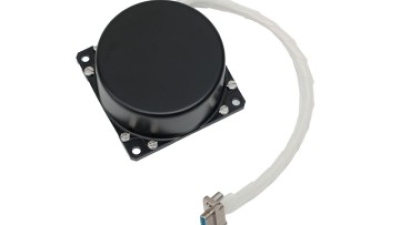
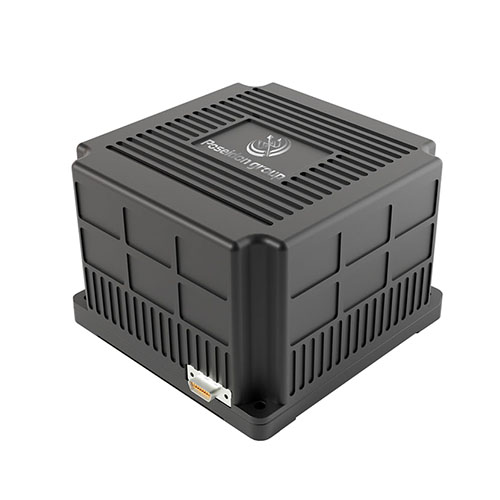
One standout product in this field is the Poseidon BSD60. This gyroscope is engineered with digital closed-loop technology, boasting an exceptional zero-bias stability ranging from 0.05°/h to 0.2°/h—a testament to its precision. With its ultra-compact dimensions measuring just 60mm x 60mm x 30mm and a lightweight configuration of ≤160g, the BSD60 is ideally suited for space-constrained applications. Reports indicate that such features enhance the effectiveness of small inertial measurement units (IMUs) and other navigation systems that require high precision and responsiveness.
The BSD60 not only excels in terms of size and weight but is also designed to withstand rigorous operational conditions, demonstrating high resistance to vibration and shock. This resilience makes it a reliable solution for demanding military and industrial applications, where accurate navigation is paramount. As the UAV industry continues to expand, the integration of advanced gyroscopic technologies like the Poseidon BSD60 underscores the critical importance of precision navigation in achieving operational success.
FAQS
: A fiber optic gyro (FOG) is a type of gyroscope that uses the Sagnac effect and a loop of optical fiber to measure angular rotation, providing high sensitivity and precision in detecting rotational changes.
Unlike traditional mechanical gyroscopes, fiber optic gyros utilize light traveling in both directions through optical fibers to create an interference pattern, resulting in improved accuracy and reliability.
The main components include a coherent light source (such as a laser), optical fibers, photodetectors, and advanced algorithms for data processing.
Fiber optic gyros offer unparalleled accuracy and reliability, making them essential for applications requiring precise heading and attitude information in industries like aerospace, maritime navigation, and robotics.
FOGs are transforming marine navigation by providing accurate and reliable heading information, essential for modern shipping and underwater exploration, thereby enhancing operational capabilities and stability.
Factors such as environmental resilience, compatibility with existing navigation systems, and staying updated on market trends are crucial for optimal performance and longevity of the FOG.
The global inertial navigation system market is expected to grow from $13.65 billion in 2025 to $24.28 billion by 2032, with a compound annual growth rate (CAGR) of 8.6%.
Advanced algorithms filter out noise and distortions in the data collected from the photodetectors, greatly improving measurement accuracy in rotary applications.
Conclusion
Hey, have you ever wondered how fiber optic gyro compasses work and why they’re such a big deal? Well, there's this pretty cool guide called 'The Ultimate Guide to Understanding Fiber Optic Gyro Compass Technology and Its Applications' that dives right into the basics. It explains the core principles behind fiber optic gyroscopes and the key parts that make up these systems. If you're familiar with traditional mechanical gyros, you'll find it interesting how fiber optic ones outperform them when it comes to accuracy and dependability. The guide also highlights some of the coolest uses of fiber optic gyros, especially in marine navigation, where they really boost positioning precision. Plus, it covers recent tech advancements, upcoming market trends, and what the future might hold for gyro technology. Led by a company called Poseidon International Group in Hong Kong, which’s been in the game since 2013, the focus is on developing cutting-edge fiber optic gyroscopes and inertial navigation systems, playing a big part in pushing this innovative tech forward. It's a fascinating read if you're into how modern navigation tools keep getting better and better.

 TBSD60
 BSD120
 BSD98
BSD98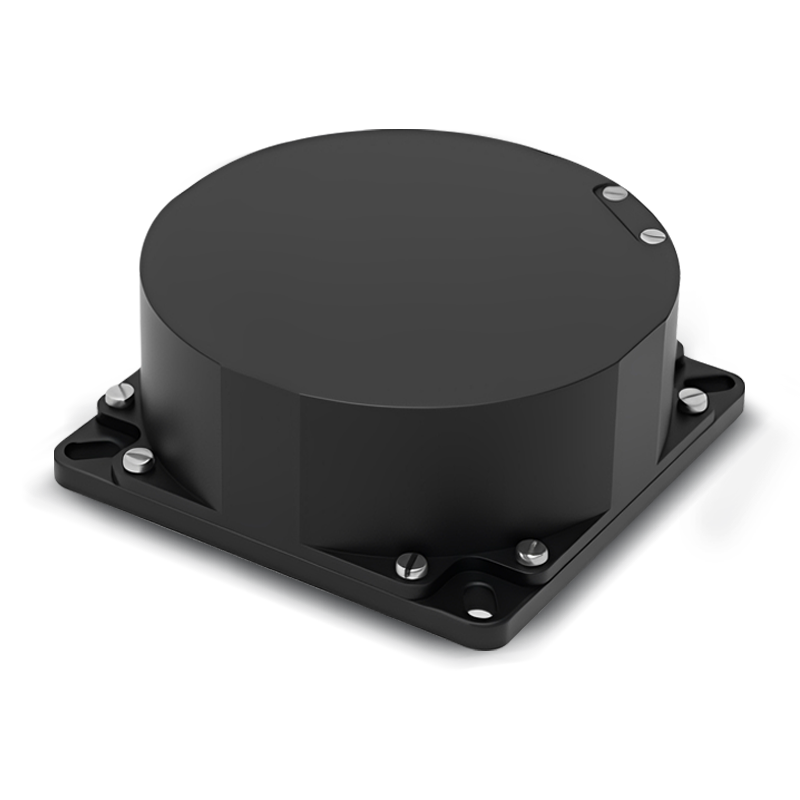 BSD70
BSD70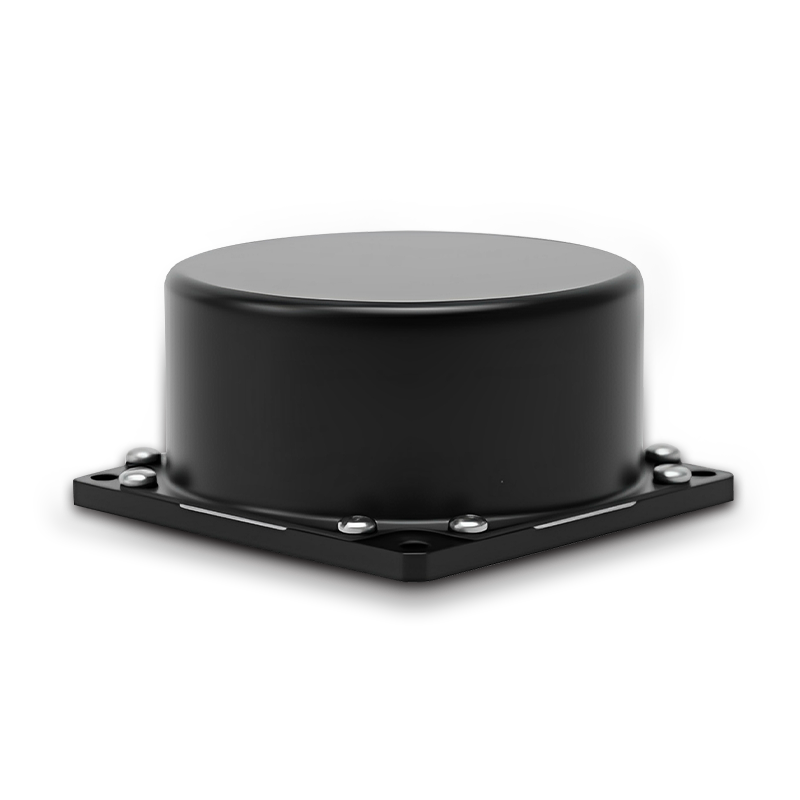 BSD60
BSD60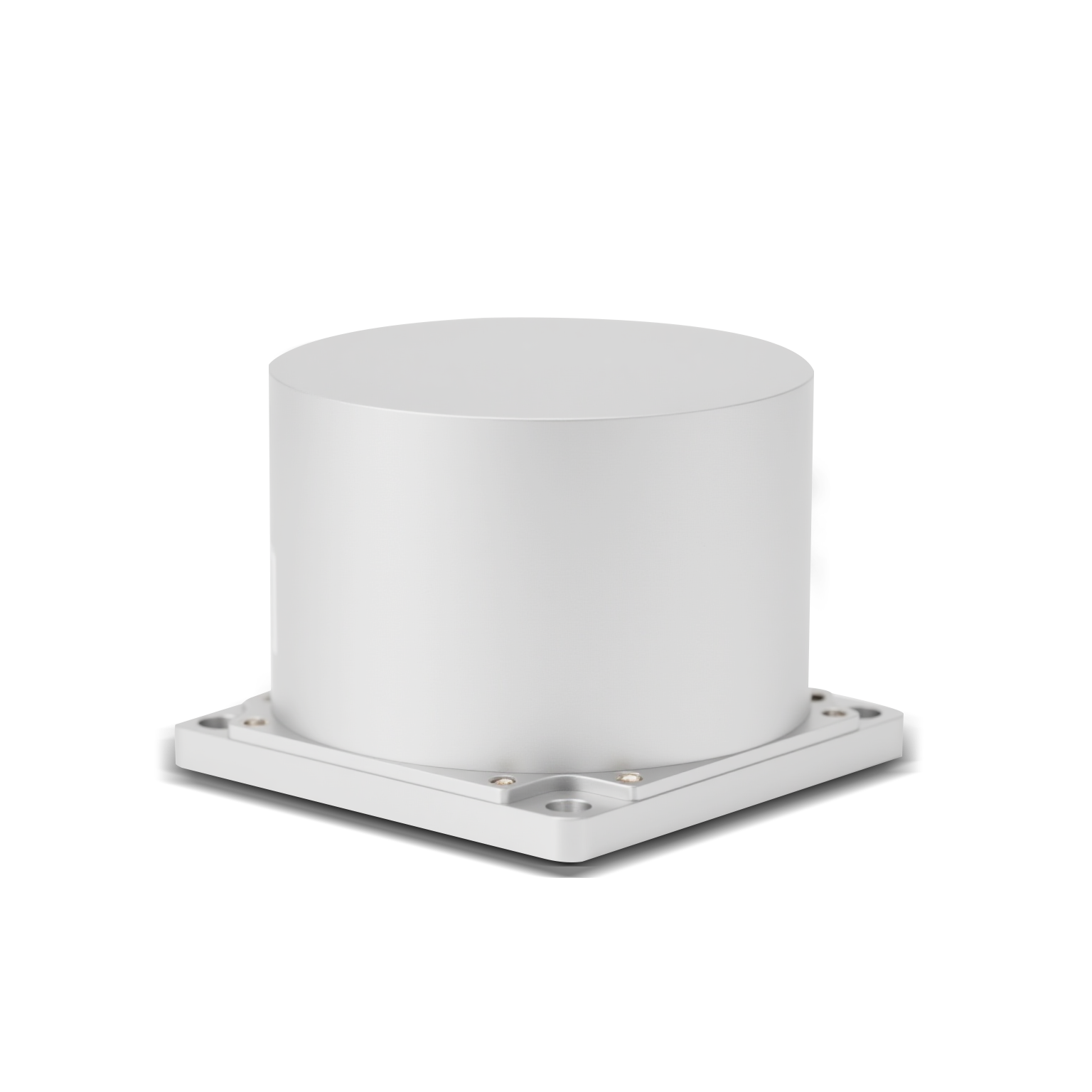 BSD50
BSD50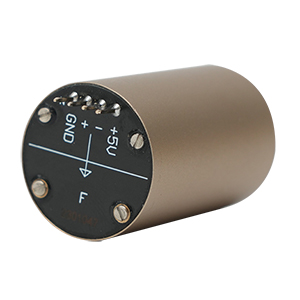 BSD217
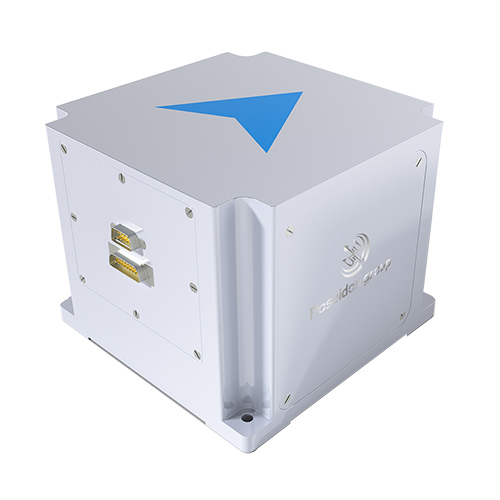 INS1700
 INS970
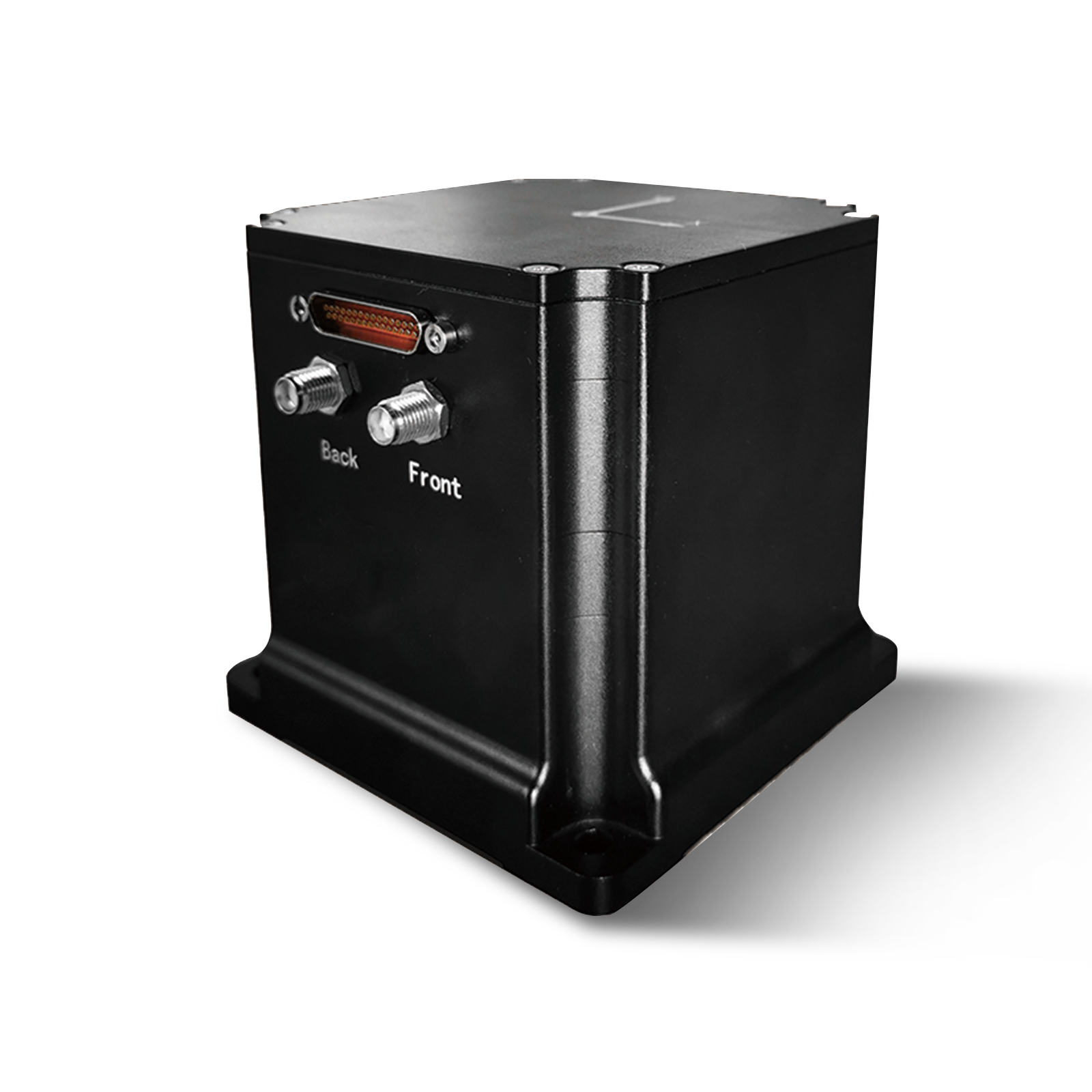 INS570
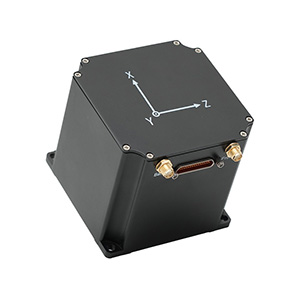 INS170
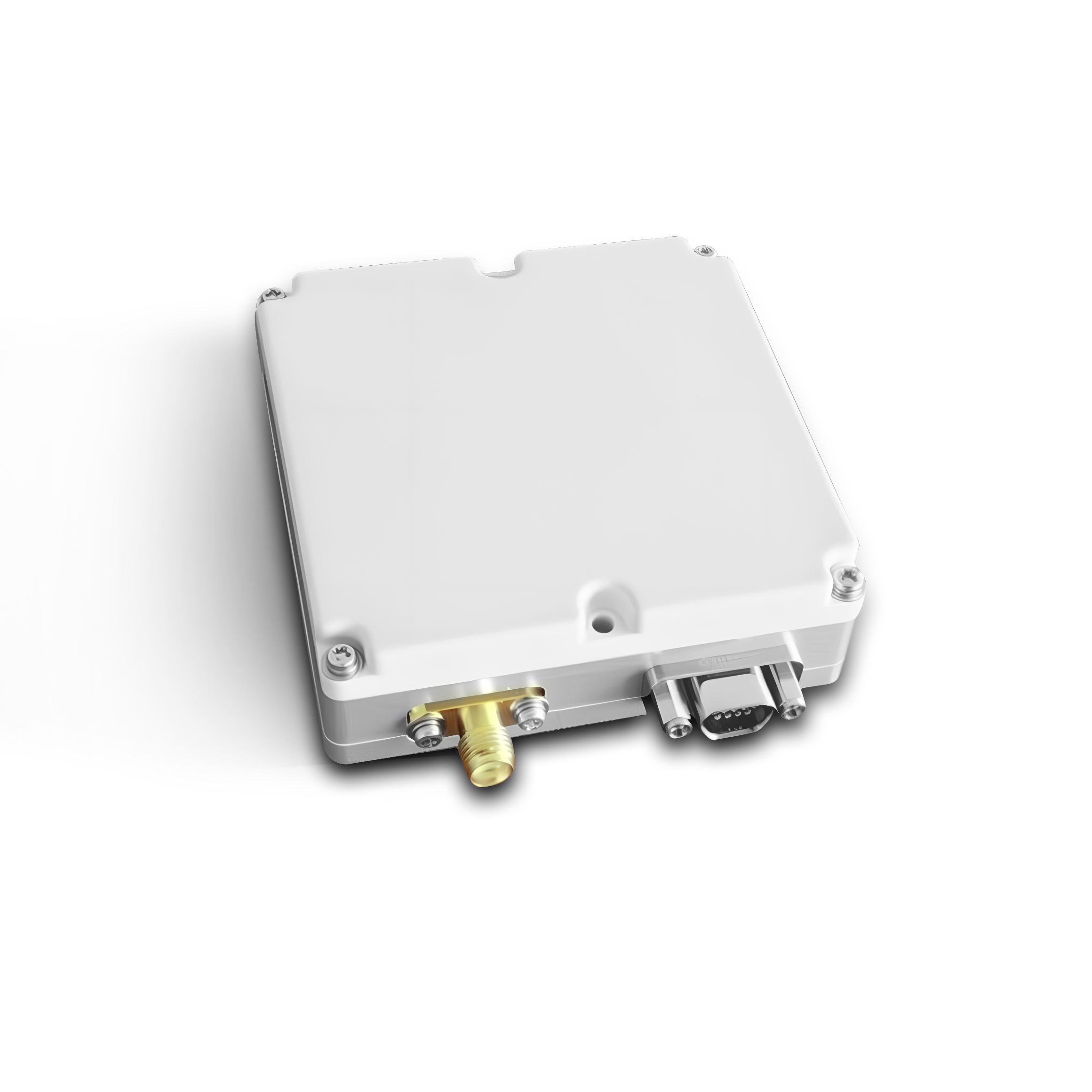 SLA-4B1L1-65
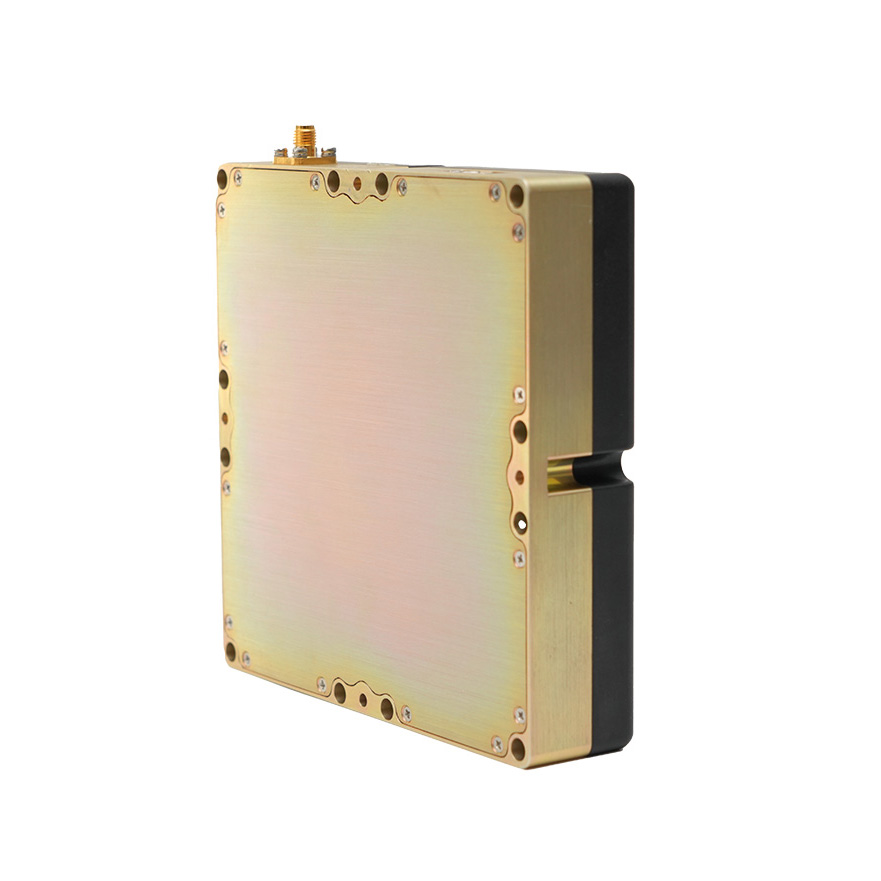 SLA-4B1L1-130
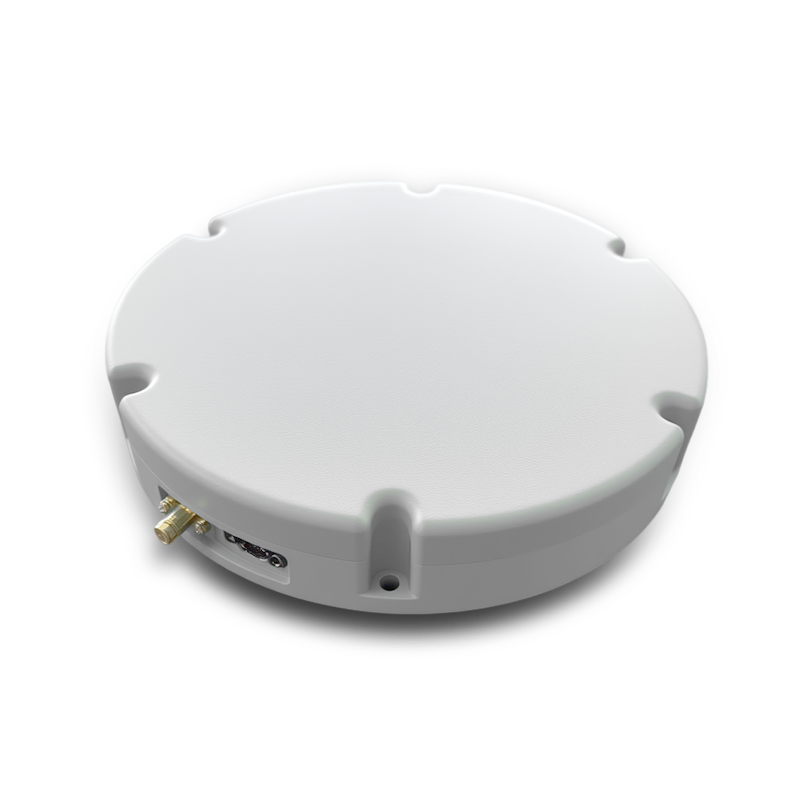 SLA-8B1L1-165
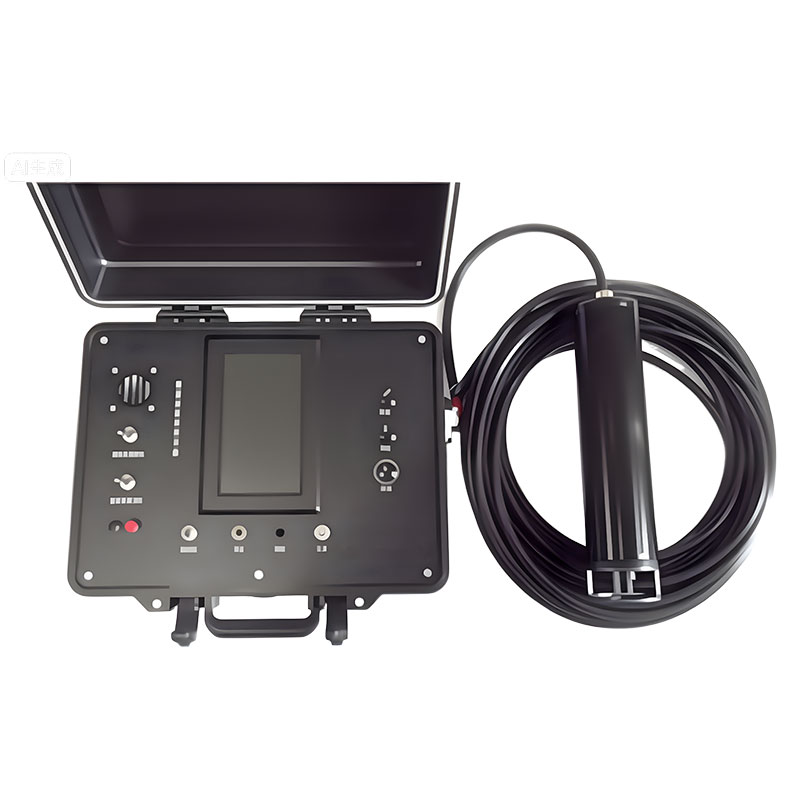 DIVER 101
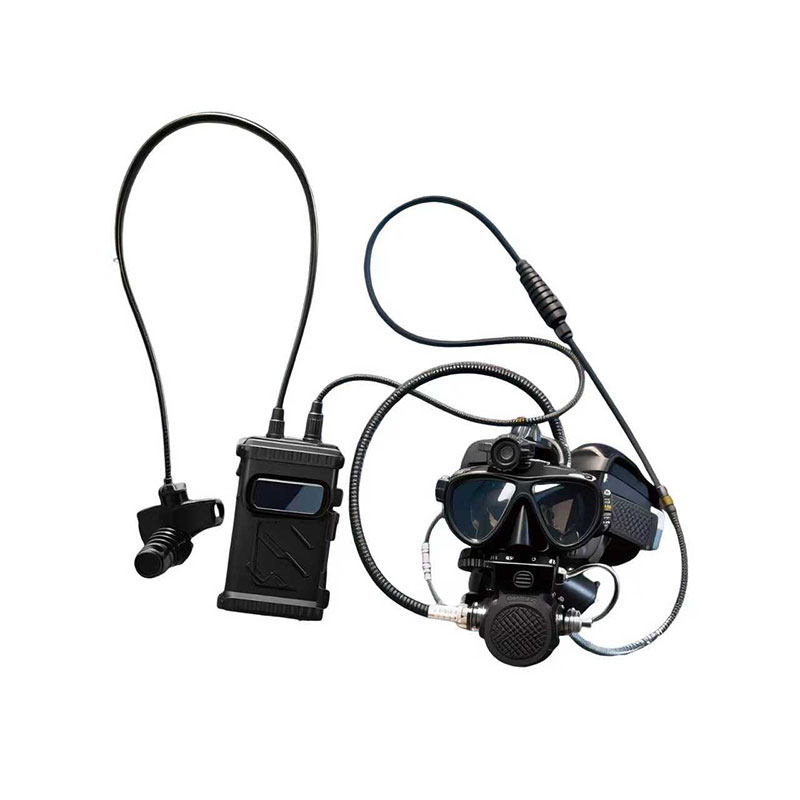 DIVER 102
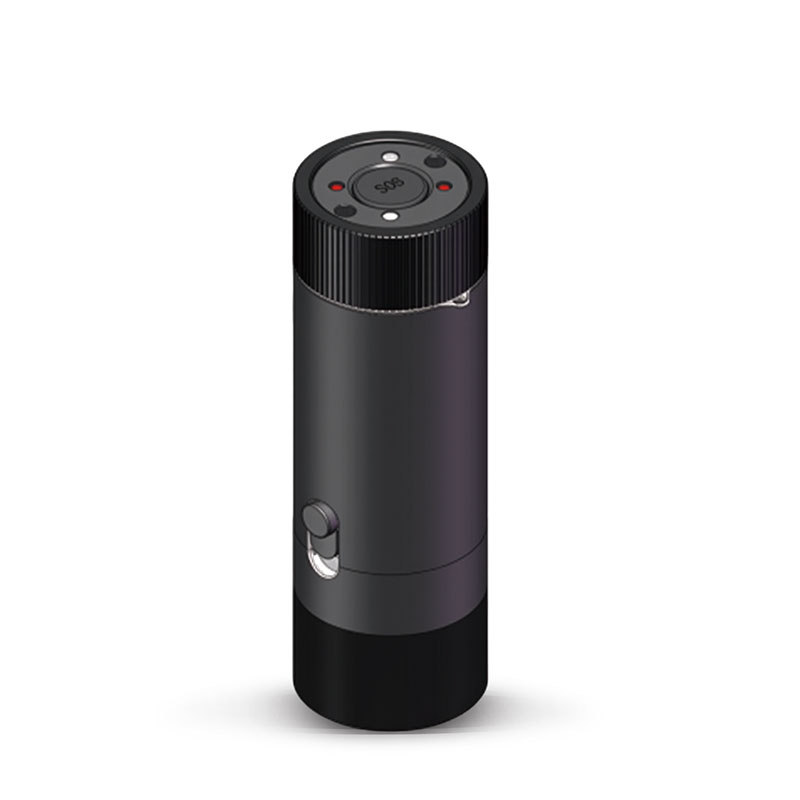 DIVER 103
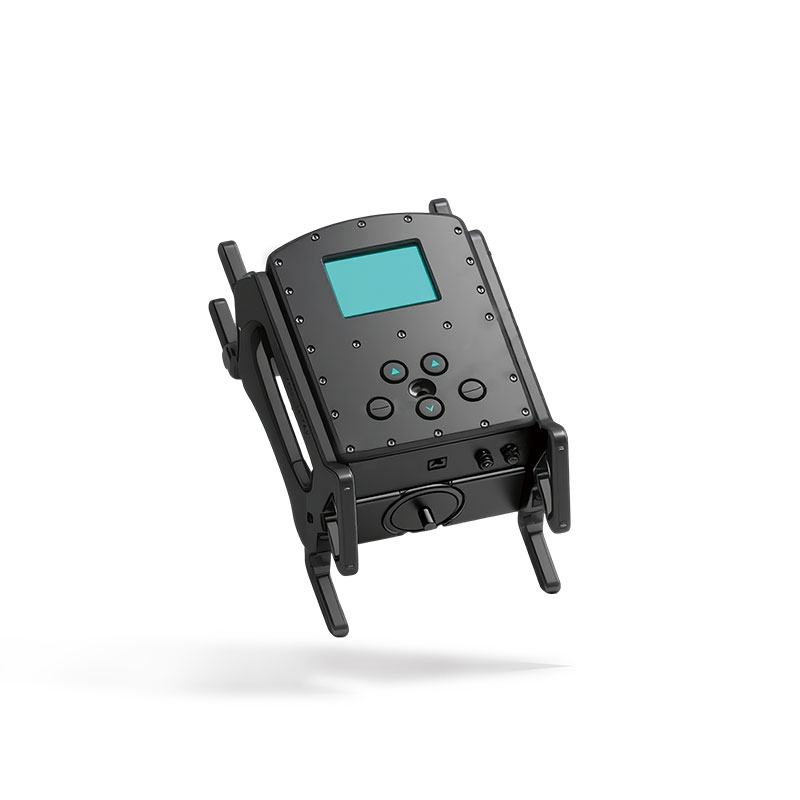 DIVER 104
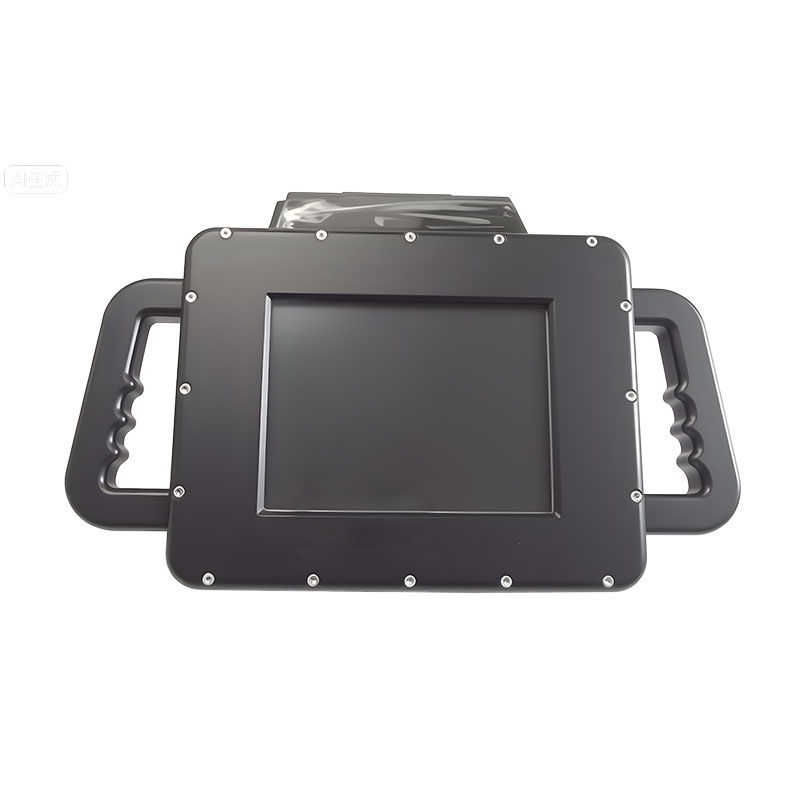 DIVER 105
 DIVER 106
 SLLR3000
 SLLR905
 SLLD25
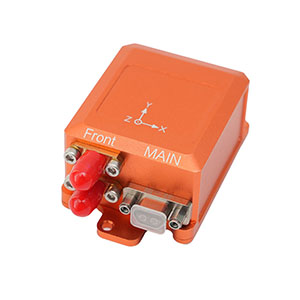 160M
160M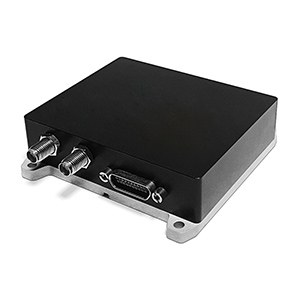 170M
170M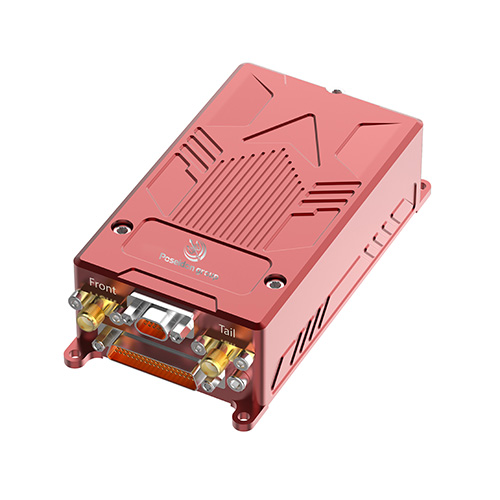 SLFC-70
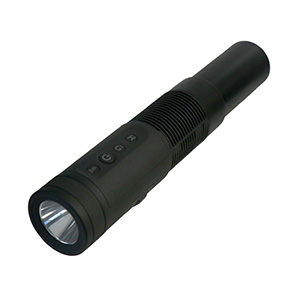 SLAF280
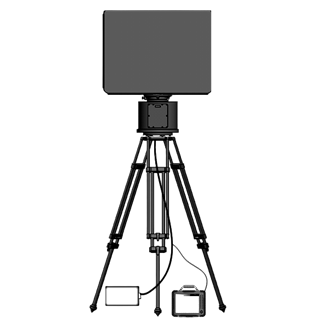 MR360
MR360