 TBSD60
 BSD120
 BSD98
BSD98 BSD70
BSD70 BSD60
BSD60 BSD50
BSD50 BSD217
 INS1700
 INS970
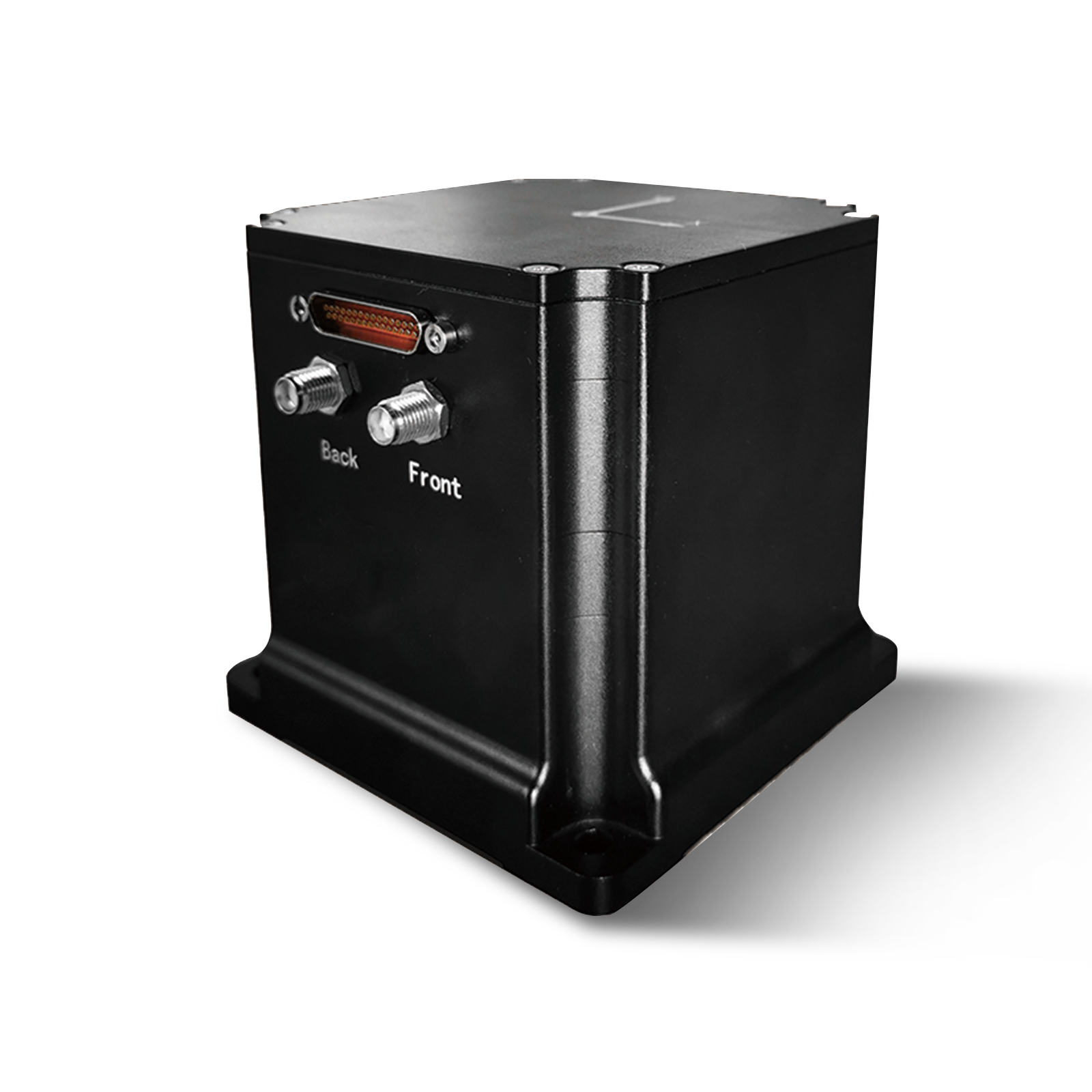 INS570
 INS170
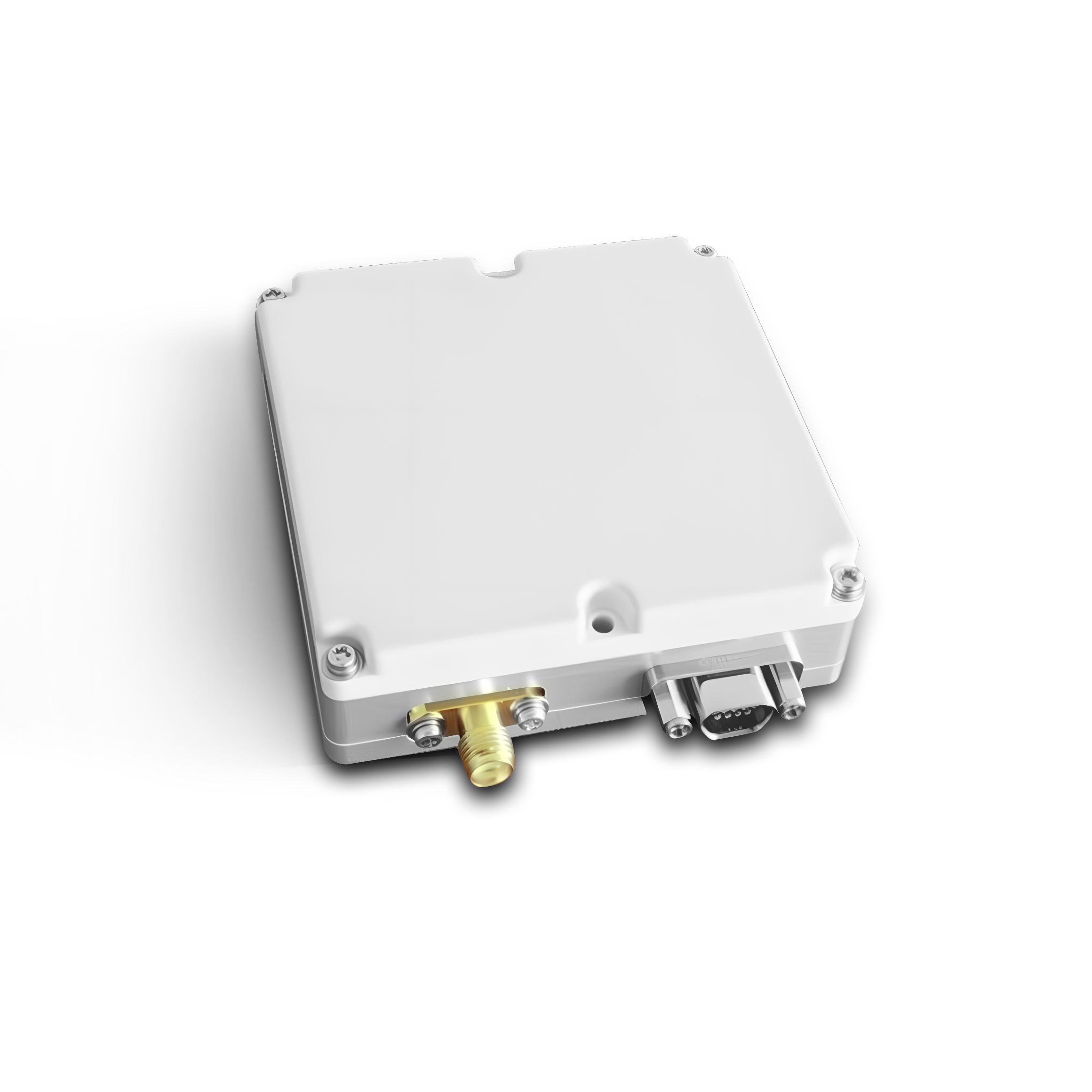 SLA-4B1L1-65
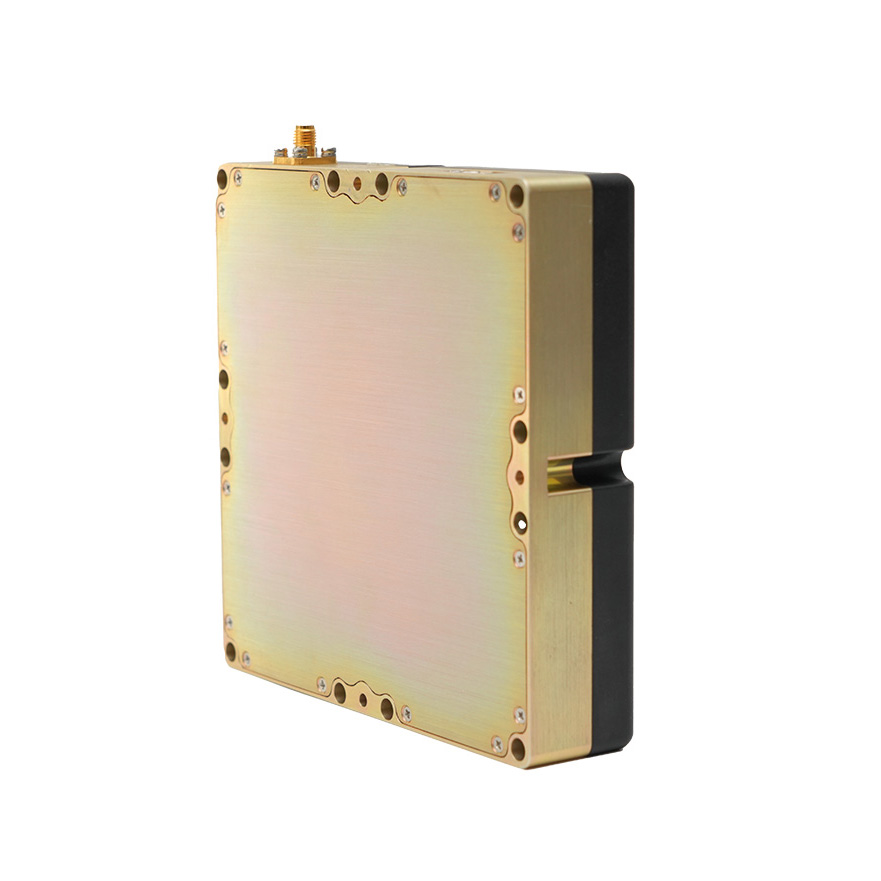 SLA-4B1L1-130
 SLA-8B1L1-165
 DIVER 101
 DIVER 102
 DIVER 103
 DIVER 104
 DIVER 105
 DIVER 106
 SLLR3000
 SLLR905
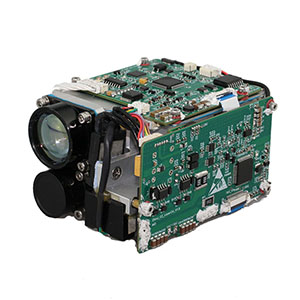 SLLD25
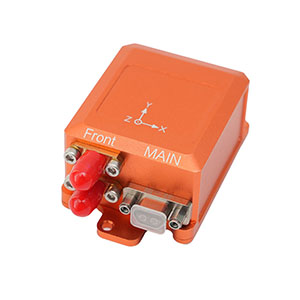 160M
160M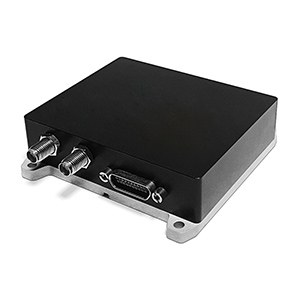 170M
170M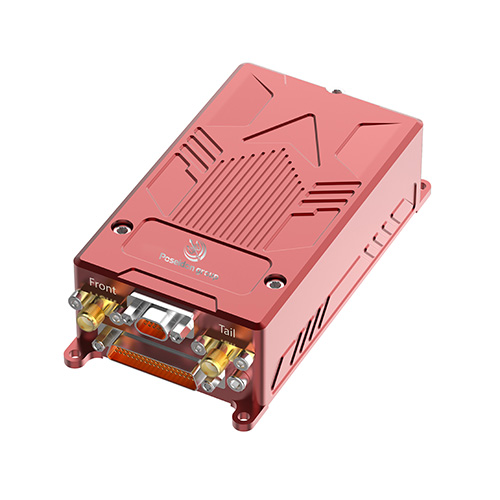 SLFC-70
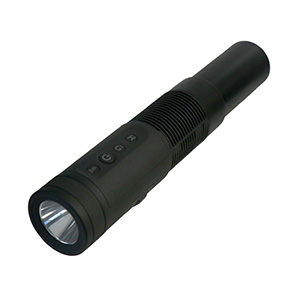 SLAF280
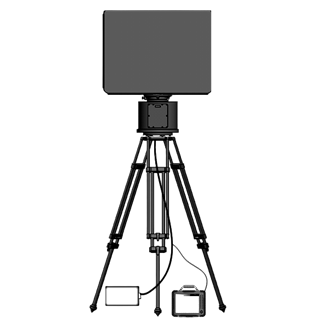 MR360
MR360
Leave Your Message
High-precision, lightweight solutions engineered for rigorous aerospace environments.
The landscape of the aerospace industry is undergoing a paradigm shift, driven largely by the exponential growth of the "New Space" economy. At the heart of this revolution lies the Inertial Movement Unit (IMU), an indispensable technology for satellites, spacecraft, and high-altitude platforms. Historically, space-grade inertial navigation systems were extremely bulky, expensive, and reserved primarily for government-funded deep space exploration or military-grade ballistic missiles. Today, the commercialization of Low Earth Orbit (LEO) has completely transformed the industrial requirements for these critical sensors.
In modern satellite manufacturing, the demand for Size, Weight, Power, and Cost (SWaP-C) optimization is higher than ever. Mega-constellations, such as those deployed for global broadband internet and Earth observation, require thousands of satellites to be manufactured on an assembly line rather than in a bespoke laboratory. This industrialization demands IMUs that can deliver tactical or navigation-grade precision without the prohibitive costs of traditional Ring Laser Gyroscopes (RLGs) or large Fiber Optic Gyroscopes (FOGs). As a result, advanced Micro-Electromechanical Systems (MEMS) and miniaturized FOG technologies have become the industry standard for commercial aerospace platforms.
Furthermore, the industrial manufacturing of aerospace IMUs now heavily incorporates automated calibration, AI-driven error compensation, and rigorous thermal-vacuum testing to ensure survivability in the harsh radiation environments of space. The global market for aerospace inertial systems is expanding rapidly, forming a multi-billion dollar sector that bridges the gap between traditional aerospace defense contractors and agile, innovative tech startups.
Poseidon International Group (Hong Kong) Limited — Connecting the World Through High Accuracy Navigation Technology
Based in Hong Kong, we are a global enterprise dedicated to delivering high-quality products and professional services. We have established long-term, stable, and efficient partnerships with numerous suppliers worldwide, ensuring competitive pricing and superior product quality. In the realm of aerospace and satellite technology, our commitment to precision ensures that every mission, from launch to orbit, is guided with unparalleled accuracy.

Reducing costs by 25% for satellite manufacturing.
Improving aerospace performance by 20%.
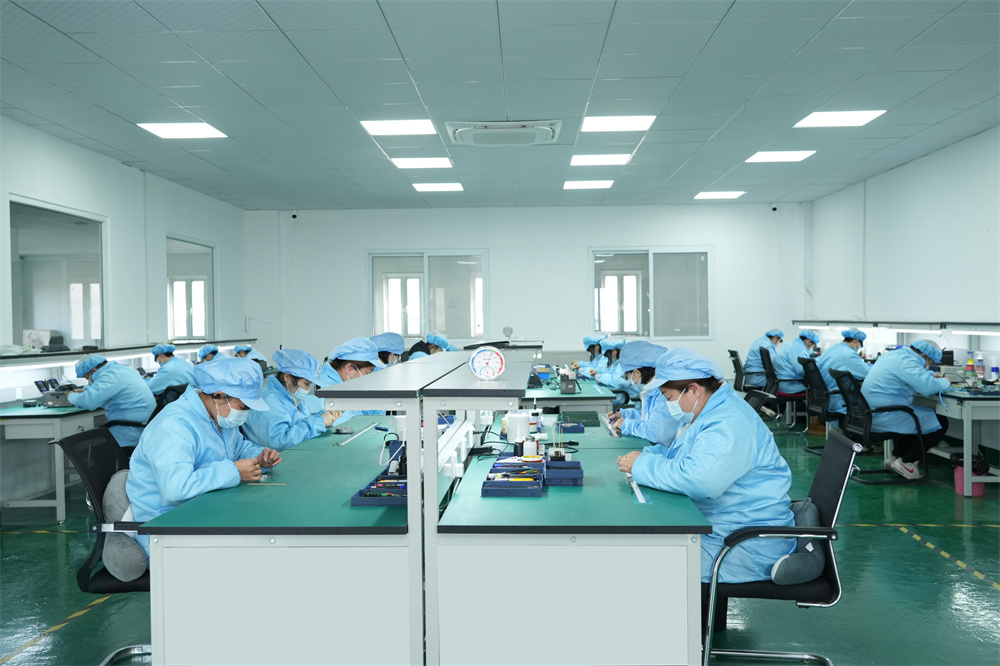
Ensuring stable quality for LEO constellations.
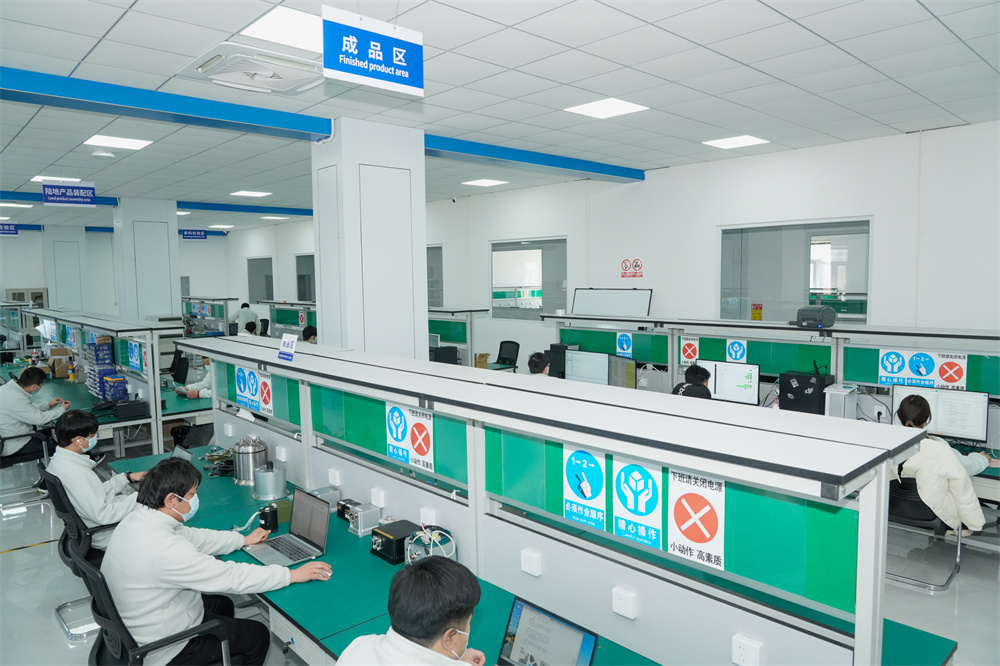
Delivering cross-industry aerospace solutions.
The application of an Inertial Movement Unit for Satellites and Aerospace Platforms is highly diverse, with each scenario demanding specific performance metrics, environmental tolerances, and integration architectures. Let us explore the most critical deep-dive application scenarios shaping the future of spaceflight.
In the vacuum of space, a satellite must constantly understand its orientation relative to the Earth, the Sun, and distant stars to point its antennas, solar panels, and optical payloads accurately. While star trackers and sun sensors provide absolute orientation, their update rates are slow and can be blinded by solar glare. High-precision IMUs act as the high-frequency backbone of the ADCS. By continuously measuring angular rates via gyroscopes and linear acceleration via accelerometers, the IMU bridges the gap between optical sensor updates, allowing the satellite's reaction wheels or thrusters to maintain pinpoint accuracy. For Earth observation satellites capturing sub-meter resolution imagery, even a fraction of a degree in attitude drift can result in kilometers of targeting error on the ground.
The journey from the launch pad to orbit is arguably the most violent and dynamic environment an IMU will ever experience. During ascent, a rocket experiences extreme acoustic vibrations, high-G forces, and rapid thermal fluctuations. The IMU serves as the primary navigation source for the rocket's GNC system. Because GPS/GNSS signals can be jammed, spoofed, or lost during the plasma blackout phase of staging or reentry, the launch vehicle relies entirely on dead reckoning provided by the inertial sensors. Advanced FOG and RLG-based IMUs calculate the exact trajectory, velocity, and orbital insertion parameters, ensuring the payload is delivered to the precise mathematical coordinates in space.
As humanity pushes further into the solar system, reliance on Earth-based navigation aids (like GPS) drops to zero. Spacecraft traveling to Mars or deep space rely on celestial navigation fused with ultra-stable IMUs. During critical maneuvers, such as planetary orbital insertion or powered descent and landing (like the Mars Sky Crane maneuver), the IMU is the sole sensor capable of providing real-time, microsecond-level data on the spacecraft's deceleration and attitude. Furthermore, once on the surface, Lunar and Martian rovers utilize specialized IMUs to navigate treacherous, GNSS-denied extraterrestrial terrain, calculating tilt, slip, and heading to prevent catastrophic rollovers.
Operating in the stratosphere, HAPS (such as solar-powered drones or stratospheric balloons) provide satellite-like services at a fraction of the cost. These platforms face unique challenges, including extreme cold and prolonged operational times without maintenance. IMUs in this sector must exhibit near-zero bias instability over months of continuous operation. Similarly, hypersonic glide vehicles traveling at Mach 5+ through the upper atmosphere require IMUs with incredibly high dynamic ranges to process rapid, violent maneuvers while enduring immense thermal loads generated by atmospheric friction.
Poseidon International Limited, Hong Kong strives to provide satisfactory products and services to customers from all walks of life, especially in demanding aerospace sectors.

We provide comprehensive, all-in-one solutions, whether for aerospace components, orbital products, systems, or complete project solutions, always ensuring the best value for our clients.

Our experienced team, with deep expertise in international trade and aerospace engineering, is dedicated to crafting cost-effective solutions tailored to satellite customer needs.

Additionally, through close partnerships with leading logistics providers, we guarantee timely and secure deliveries of sensitive inertial equipment.
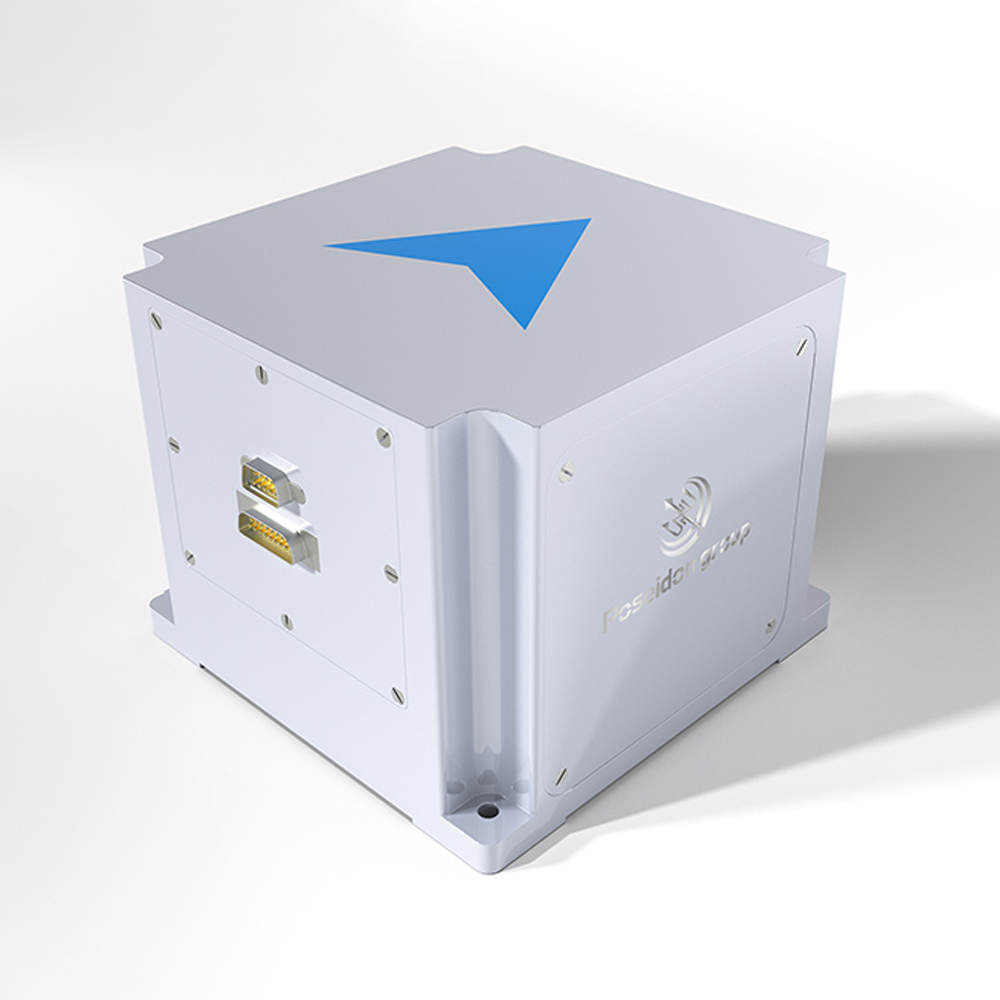
The evolution of the Inertial Movement Unit for Satellites and Aerospace Platforms is accelerating, driven by the relentless pursuit of perfection in navigation technology. As we look toward the next decade of space exploration, several key technological trends are emerging that will redefine how spacecraft navigate the cosmos.
1. AI-Enhanced Sensor Fusion: Traditional Kalman filters are being augmented or replaced by Artificial Intelligence and Machine Learning algorithms. AI can model and predict the complex, non-linear error drift of IMUs in real-time, dynamically compensating for thermal variations and radiation-induced noise. This allows lower-cost MEMS sensors to achieve performance levels previously restricted to high-end optical gyroscopes.
2. Quantum Inertial Sensors: The ultimate frontier in inertial navigation is Quantum technology. Cold atom interferometry is being developed to create gyroscopes and accelerometers that measure movement at the sub-atomic level. These quantum IMUs promise drift rates of near zero, meaning a spacecraft could theoretically navigate to the outer planets for decades without ever needing an external position update or star tracker fix.
3. Photonic Integrated Circuits (PIC): The miniaturization of Fiber Optic Gyroscopes is advancing rapidly through the use of silicon photonics. By printing optical components directly onto a microchip, manufacturers can create "Micro-FOGs" that offer the extreme precision of light-based navigation in a form factor small enough to fit inside a 1U CubeSat. This will democratize high-precision navigation for universities and commercial entities deploying nano-satellites.

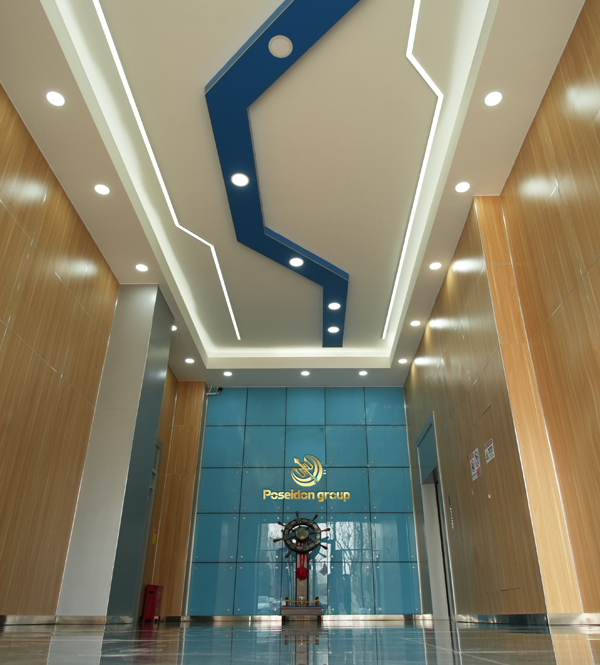
We specialize in the independent research, design, and production of fiber optic gyroscopes (FOG), inertial navigation systems (INS), satellite attitude and control systems, and intelligent control systems for unmanned space equipment. By integrating industry-specific requirements, we have made significant technological advancements in digitalization, securing multiple technical patents.
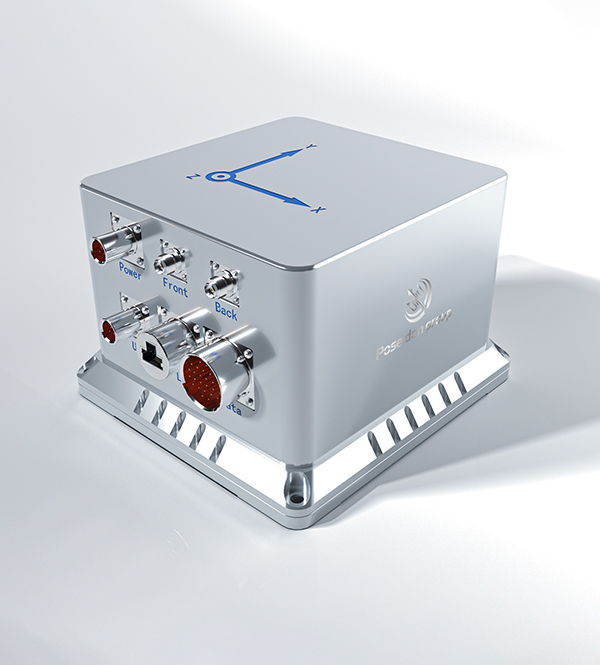
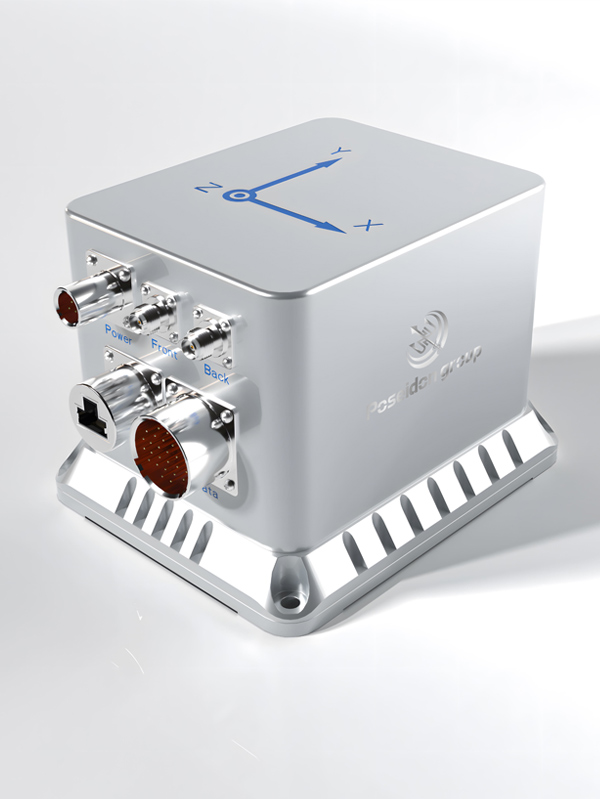
Our core team comprises seasoned experts with extensive backgrounds in aerospace and inertial navigation. We have successfully tackled critical technological challenges in high-precision GNSS-free navigation for deep space, laser measurement, multi-source data fusion, and precise positioning—areas that were once bottlenecks in the orbital industry.
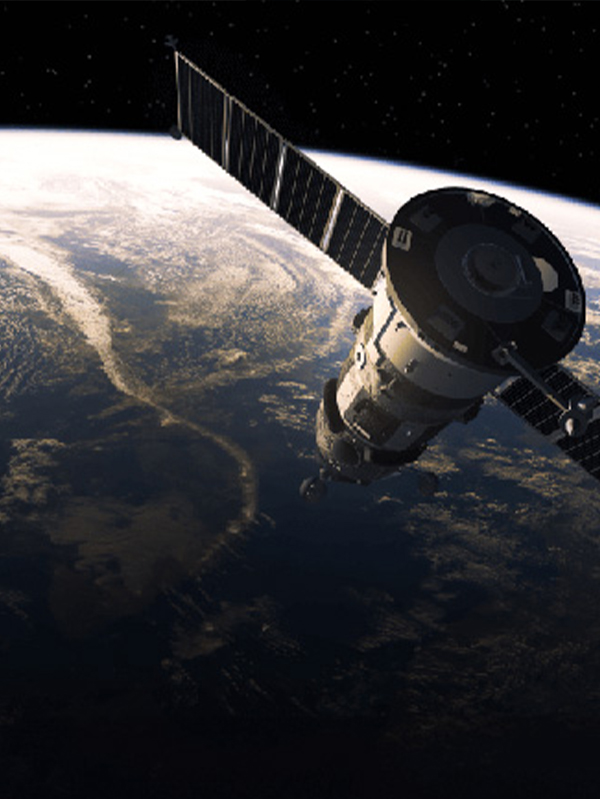

Our products are smaller in size, higher in accuracy, and more stable in performance, featuring long-term dynamic auto-calibration with zero-drift operation. They are widely adopted in scientific space research, satellite control, and high-precision detection. Having passed rigorous validation in aviation and aerospace applications, our solutions fill key technological gaps.

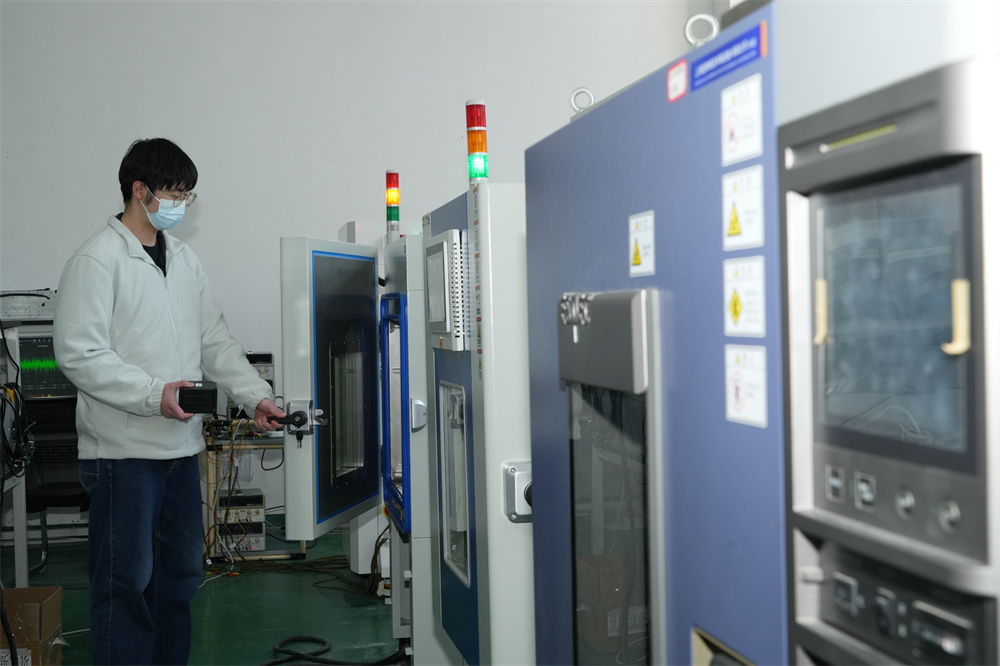
We operate over a 6,000-square-meter manufacturing facility, equipped with advanced R&D, production, and thermal-vacuum testing infrastructure for space-grade hardware, enabling large-scale production for mega-constellations and timely delivery. Our network ensures prompt technical support.
Compared to similar companies in the aerospace sector, we offer unique advantages:

Creating mutually beneficial relationships with satellite clients and partners.

Commitment to ethical business practices in defense and aerospace.

Providing clear, one-time offers with no hidden costs for space hardware.

24/7 service guarantee in all time zones with minimal response time.
Guided by the vision of "Connecting the World through Inertial Navigation", we strive to push the boundaries of navigation technology, aiming to become a leading integrated solutions provider with a broad product portfolio and advanced competencies for the global aerospace industry.
Contact Us!Explore our full range of inertial navigation solutions designed for satellites, UAVs, and deep space platforms.