
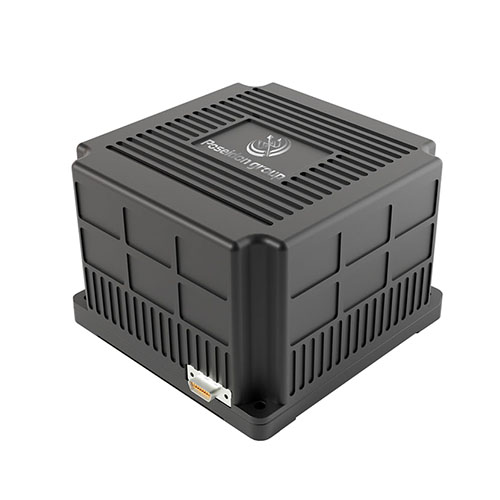
 TBSD60
 BSD120
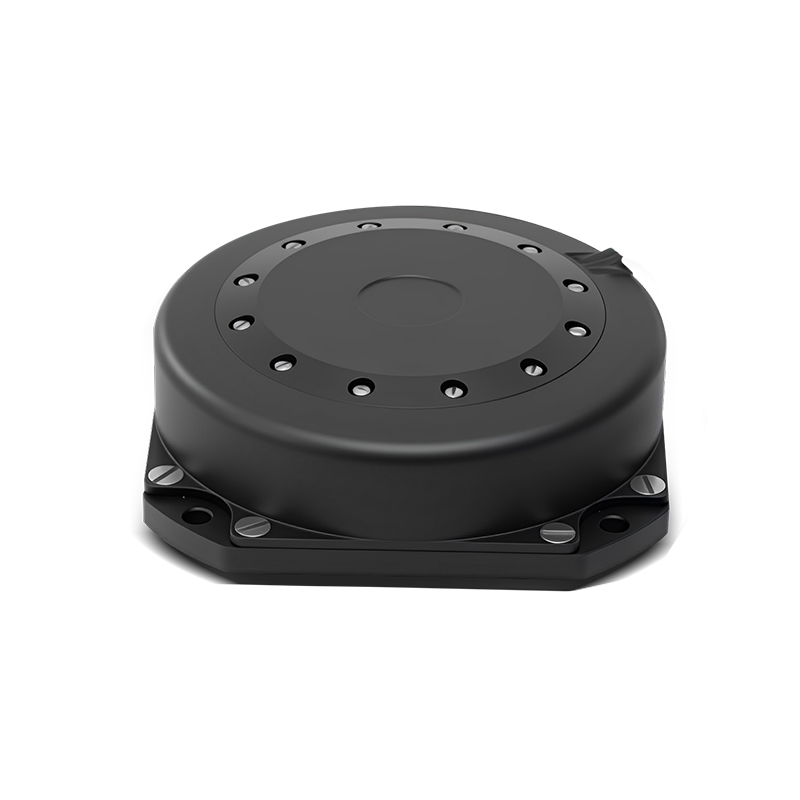 BSD98
BSD98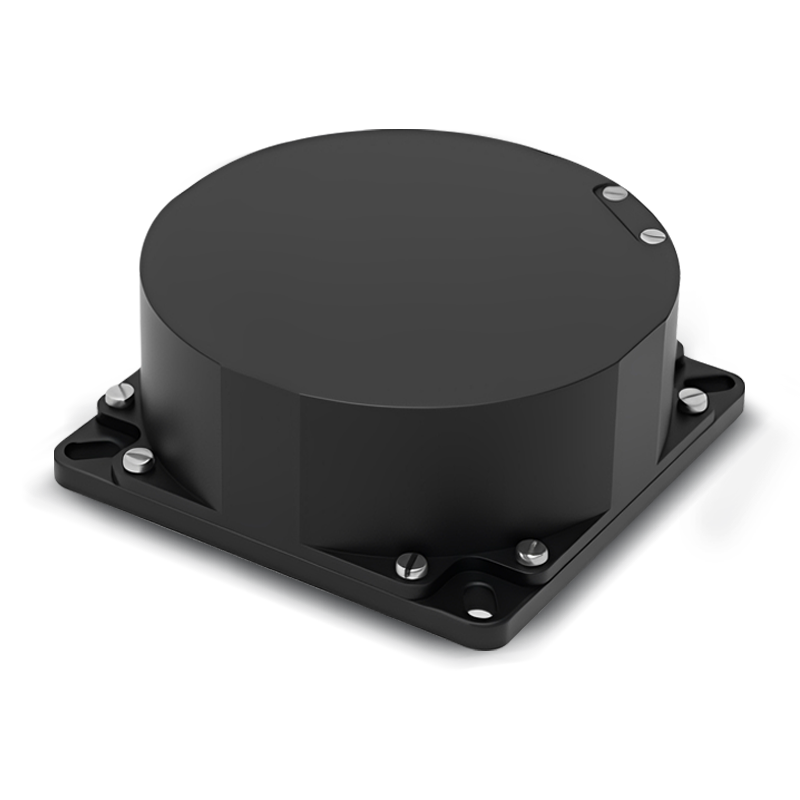 BSD70
BSD70 BSD60
BSD60 BSD50
BSD50 BSD217
 INS1700
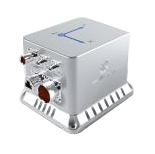 INS970
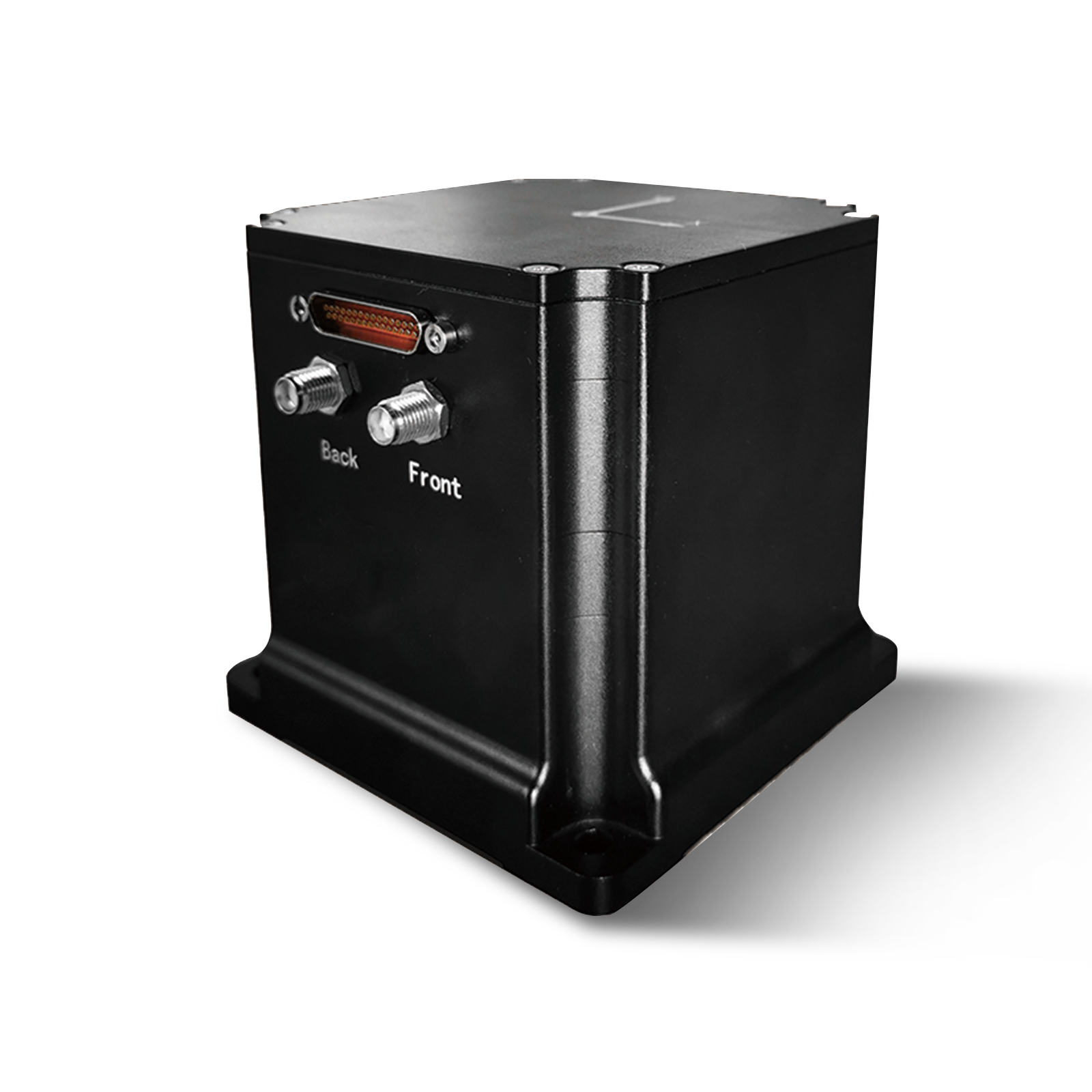 INS570
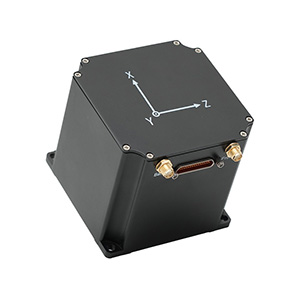 INS170
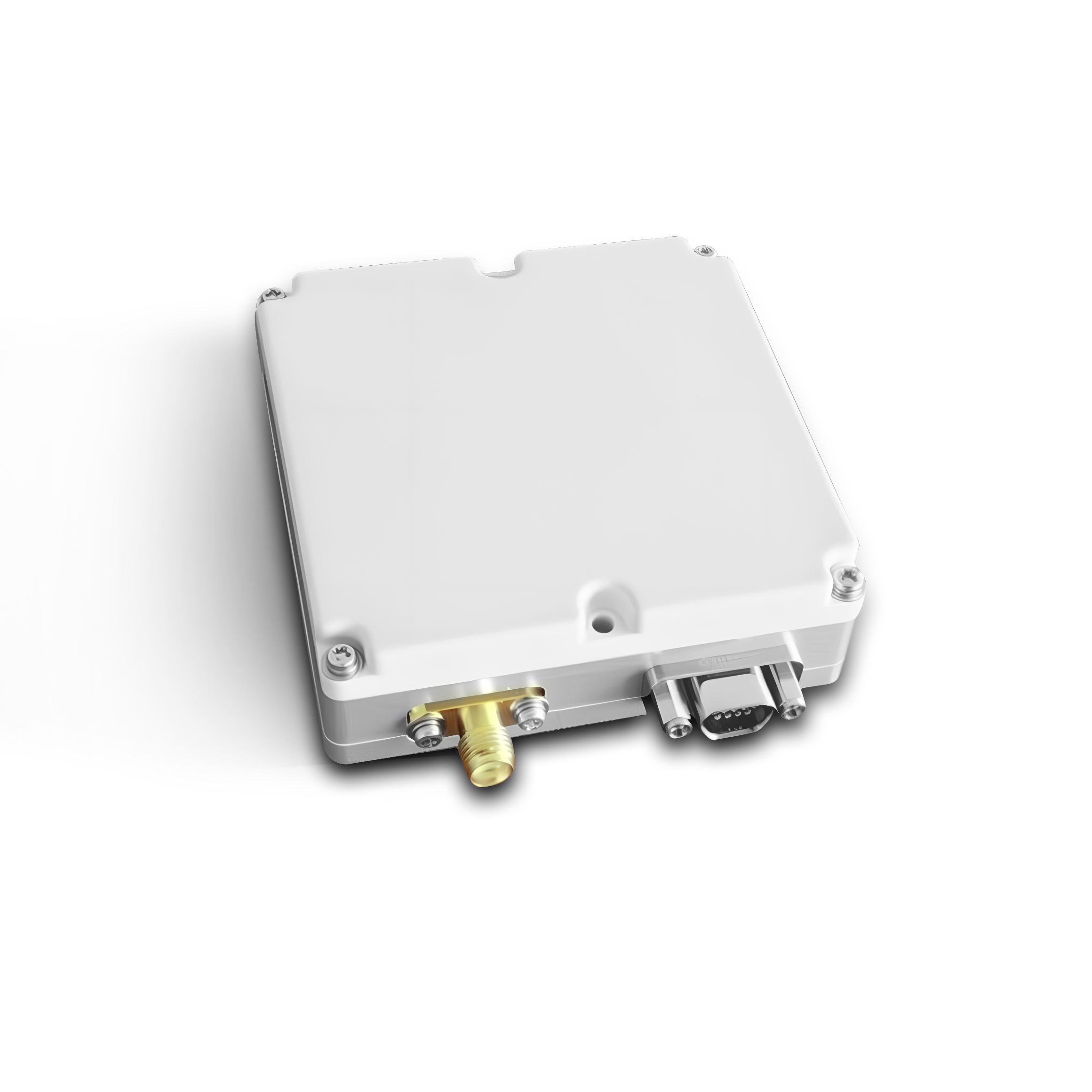 SLA-4B1L1-65
 SLA-8B1L1-110
 SLA-4B1L1-130
 SLA-16B1L1-160
 SLA-8B1L1-165
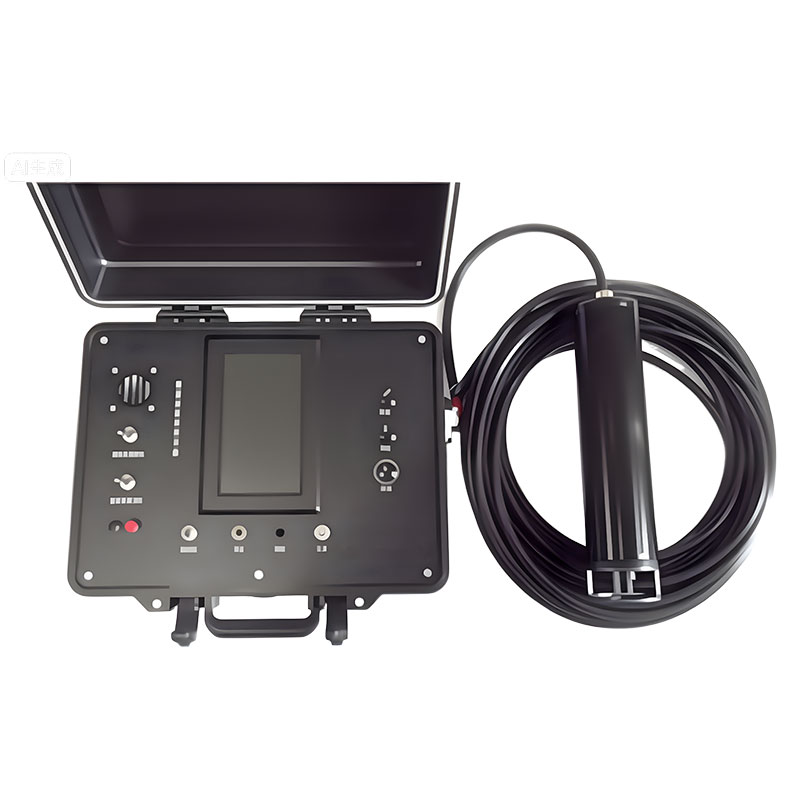 101 Vessel-mounted Positioning
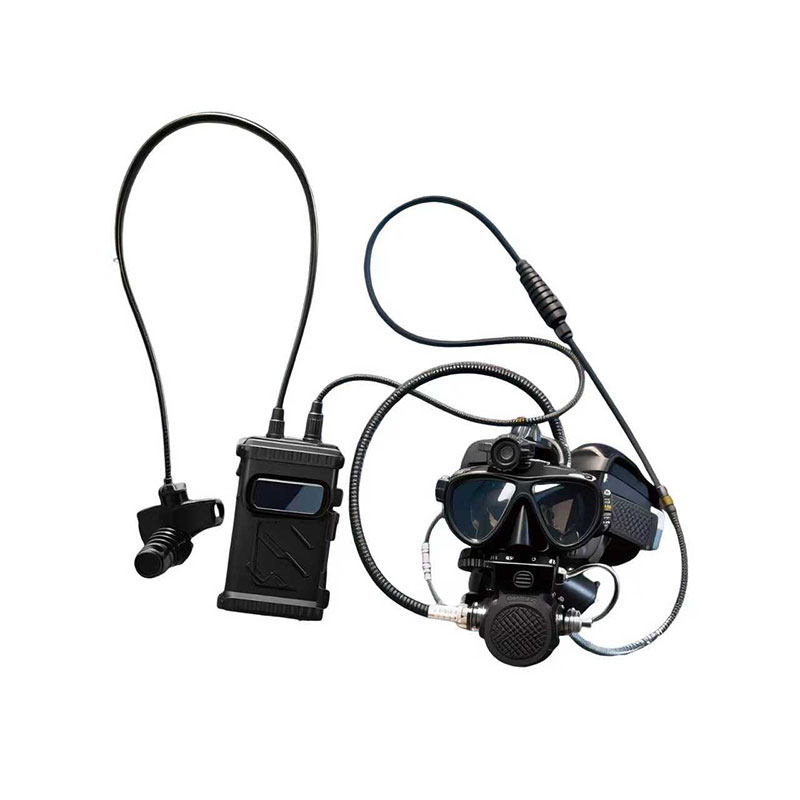 102 Acoustic Communication
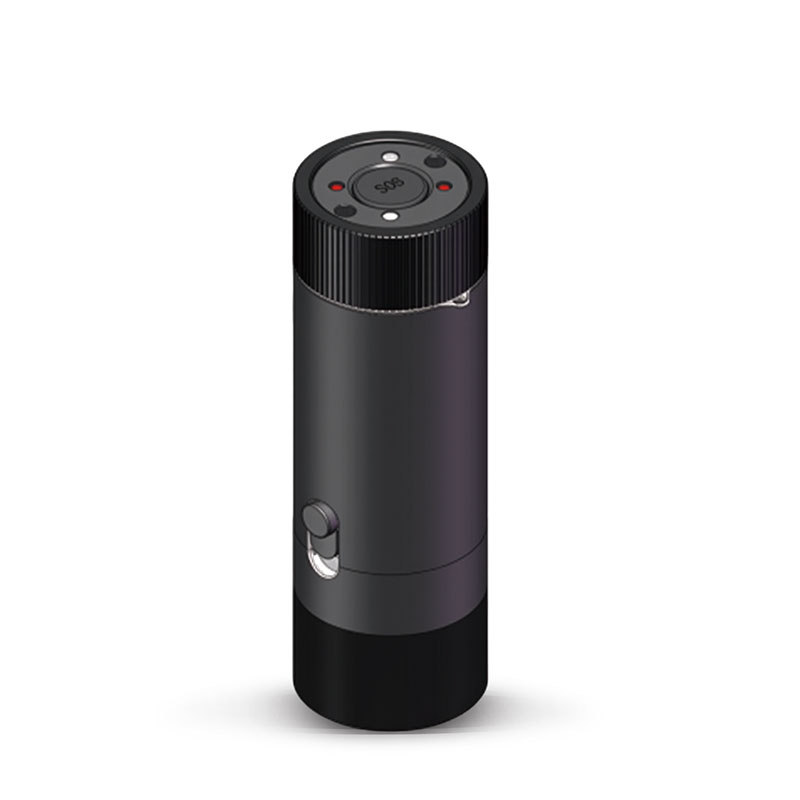 103 Tracking and Locating
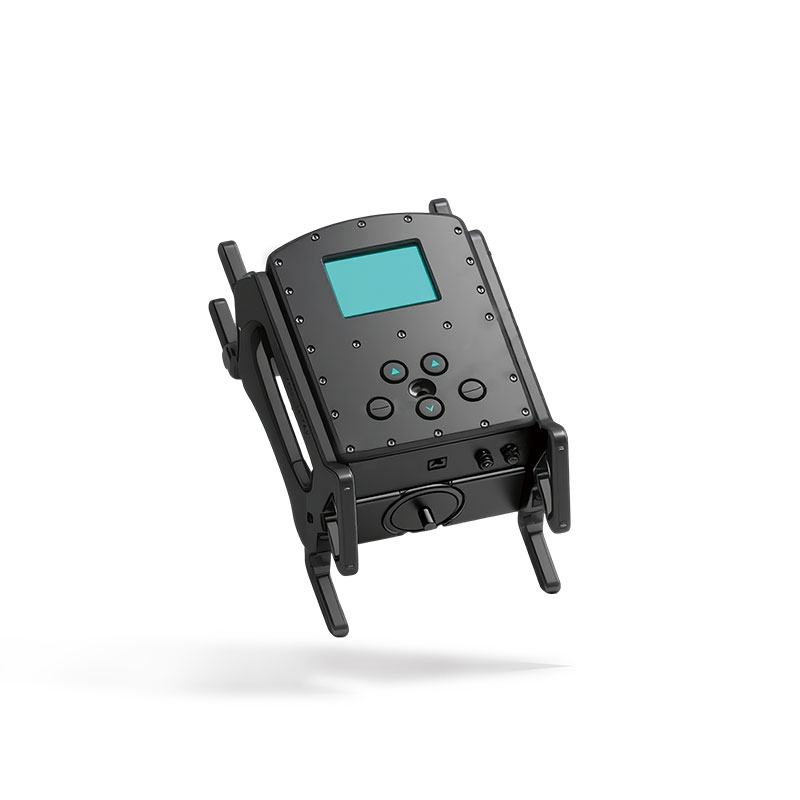 104 Diver Navigation System
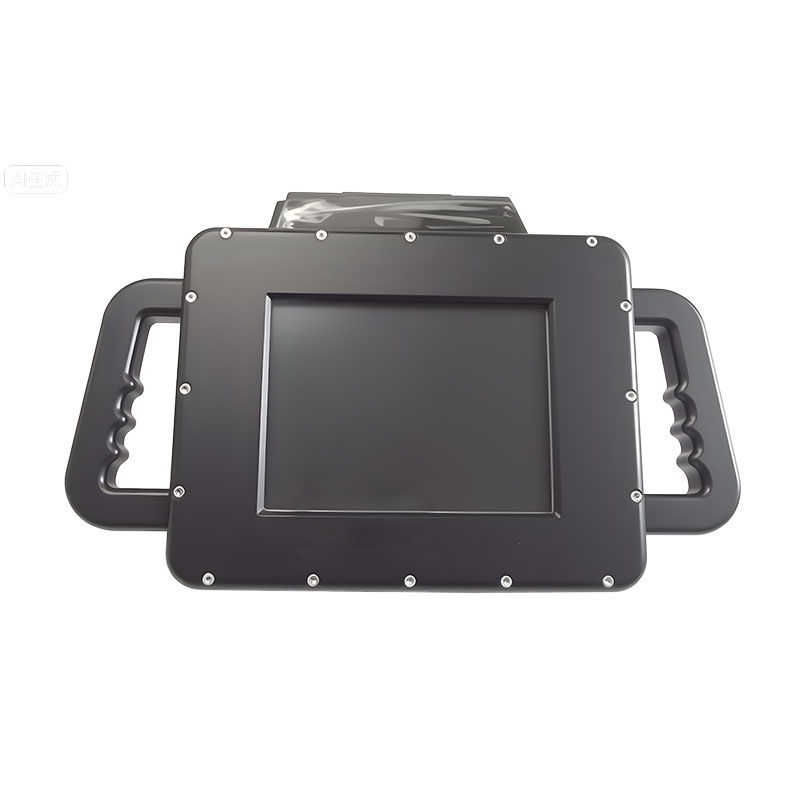 105 Intrusion Detection Sonar
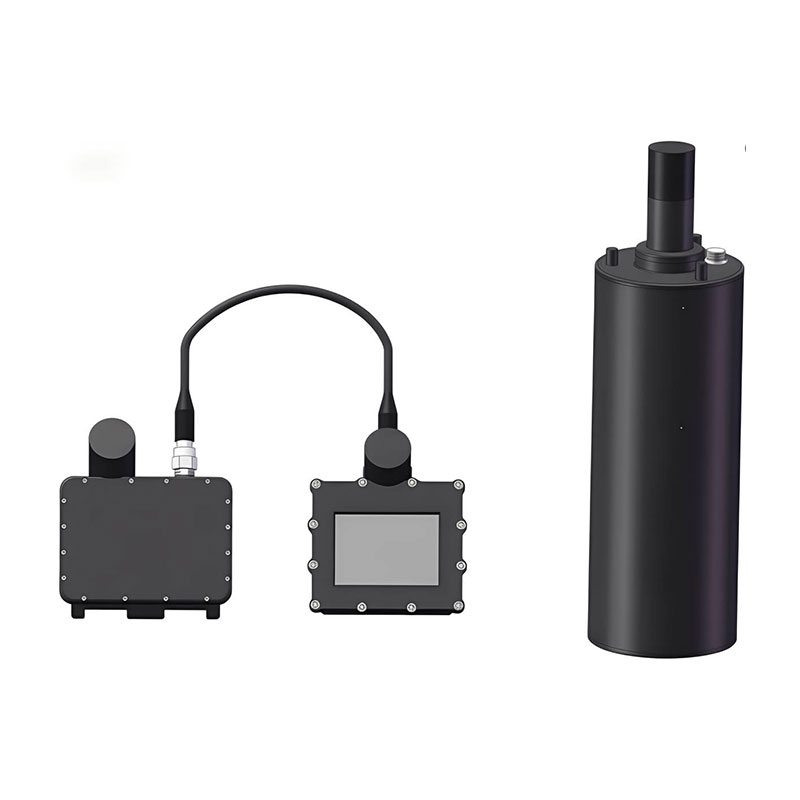 106 Delivery Locator Beacon
 SLLR3000
 SLLR905
 SLLD25
 108IMU
 150M
150M 500MH
500MH 160M
160M 170M
170M SLFC-70
 SLAF280
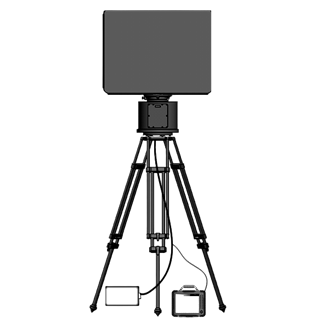 MR360
MR360





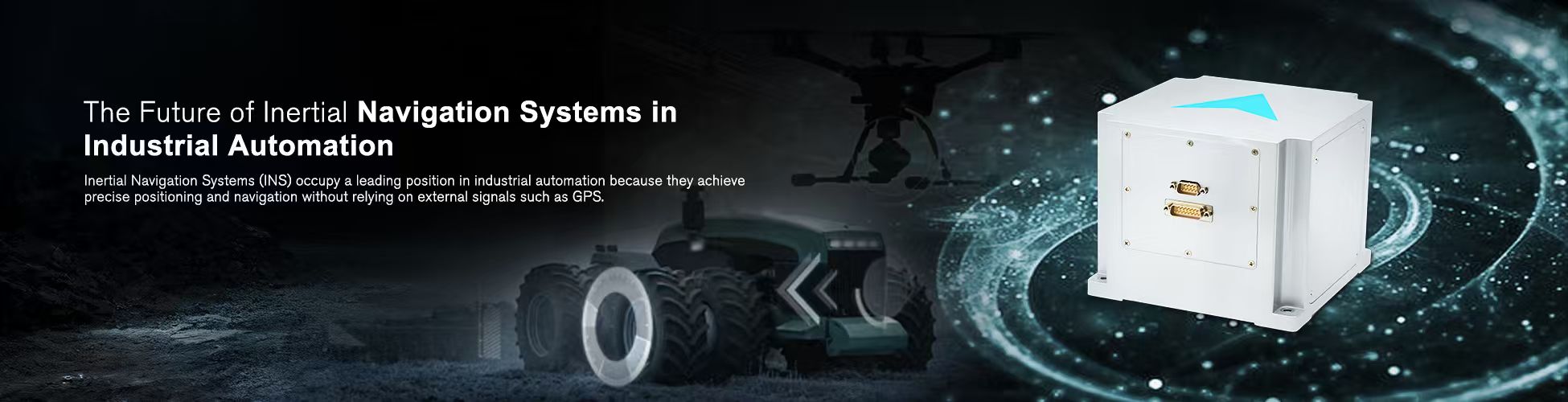
The Future of Inertial Navigation Systems in Industrial Automation
Are you looking for ways to improve the efficiency, accuracy, and reliability of your industrial operations? In a rapidly evolving market, the integration of advanced technologies like Inertial Navigation Systems (INS) can help streamline processes and reduce operational risks. But how do you choose the right system to meet your specific needs? As businesses in industrial automation seek ways to improve precision and reduce downtime, Inertial Navigation Systems are emerging as a crucial tool to solve these challenges.
In this article, we’ll explore how Inertial Navigation Systems are shaping the future of industrial automation, the key features to look for, and how these systems can transform your operations for the better.
Why Inertial Navigation Systems Are Essential for Industrial Automation
Inertial Navigation Systems (INS) are at the forefront of industrial automation because they offer precise positioning and navigation without relying on external signals like GPS. This makes them ideal for environments where GPS signals may be unavailable or unreliable, such as in underground operations, tunnels, or other challenging settings.
With the ability to continuously track and calculate position, velocity, and acceleration, INS help businesses achieve more accurate control and monitoring of machinery, robotics, and other automated systems. For you, this means fewer errors, less downtime, and better overall efficiency.
Key Features of Inertial Navigation Systems for Industrial Applications
When selecting an Inertial Navigation System for your industrial operations, there are several critical features to keep in mind:
1. High Precision and Accuracy
For industrial automation, precise measurements are crucial. Inertial Navigation Systems offer high accuracy in position and velocity tracking, ensuring that systems operate with minimal drift. Whether you're managing robotic arms, automated vehicles, or conveyor belts, having a precise navigation system in place reduces the chances of error, which can lead to costly downtime or damage.
2. Robustness in Challenging Environments
Industrial environments are often harsh and unpredictable. Whether it's extreme temperatures, heavy vibrations, or high shock loads, you need a navigation system that can handle these challenges. Many Inertial Navigation Systems come with rugged designs, built to withstand tough conditions, ensuring that they continue to perform reliably under pressure.
3. Low Maintenance and Long Lifespan
Maintaining complex systems can be a headache, especially in high-demand industrial settings. A good Inertial Navigation System is built to be low-maintenance, reducing the need for frequent repairs and replacements. With long-lasting components, these systems are designed to provide years of uninterrupted service, making them a cost-effective investment for long-term automation projects.
4. Real-Time Data Processing
One of the key advantages of Inertial Navigation Systems is their ability to process data in real time. This feature is vital for industrial automation, where fast decision-making is crucial. Real-time data allows for immediate adjustments to be made to machinery or robots, ensuring that operations run smoothly and efficiently without unnecessary delays.
5. Integration with Existing Systems
As your company grows and evolves, your technology needs will too. A flexible Inertial Navigation System can easily integrate with existing automation setups, minimizing the need for expensive upgrades or replacements. Look for systems that offer modular designs and compatibility with your current systems, allowing for seamless integration and future scalability.
How Inertial Navigation Systems Improve Efficiency and Safety in Industrial Automation
Incorporating Inertial Navigation Systems into your industrial automation process can improve both efficiency and safety. Here’s how:
Improved Precision: In automated processes, every second counts. INS ensures that machinery moves with precise coordination, minimising errors and maximising throughput.
Enhanced Safety: By providing reliable navigation and positioning data, these systems reduce the risk of accidents, particularly in high-stakes operations like heavy machinery and vehicle automation.
Operational Resilience: INS functions in environments where GPS signals can be disrupted or unavailable, making them invaluable for operations in tunnels, mines, or underground facilities where other navigation systems fail.
Why Poseidon Group’s Inertial Navigation Systems Stand Out
At Poseidon Group, we specialise in high-precision Inertial Navigation Systems tailored for industrial applications. Our systems are designed to provide exceptional accuracy, durability, and reliability in even the most challenging environments. By incorporating advanced technologies such as fibre-optic gyroscopes and MEMS accelerometers, we ensure our systems offer unparalleled performance.
With Poseidon Group, you can rely on cutting-edge solutions to improve efficiency, safety, and profitability across your industrial operations.